
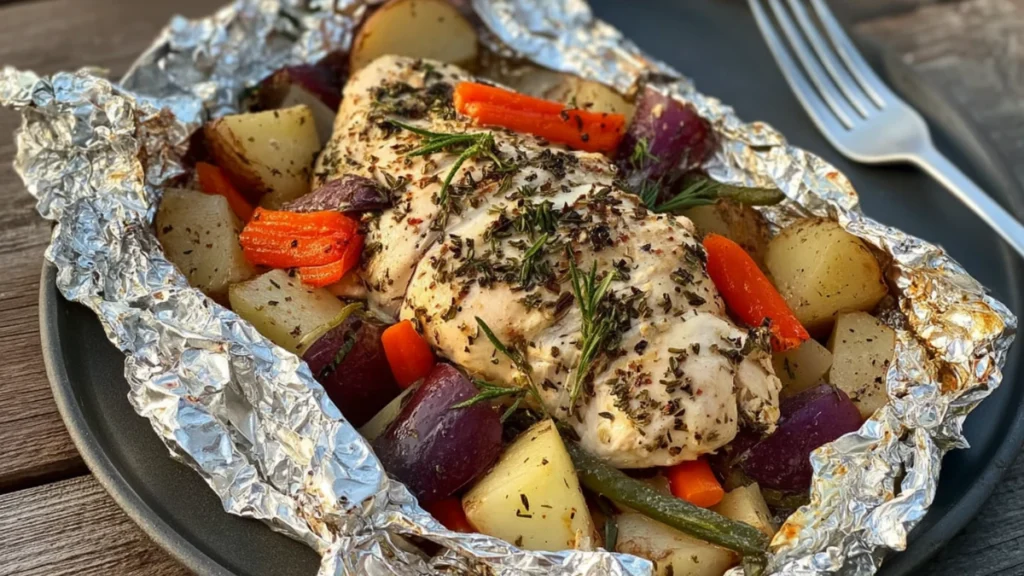
If you’ve been bouncing between blog posts trying to find the best way to cook chicken foil packets while camping, you can stop here. This article has it all. You’ll get one reliable base recipe, six crowd-favorite flavor variations, expert tips that prevent common mistakes, and step-by-step instructions for cooking over a campfire, on a grill, or in the oven.
Whether you’re meal prepping for the weekend or feeding a hungry group outdoors, this guide makes it easy, safe, and delicious.
Table Of Content
- Why Foil Packets are the Perfect Camping Meal?
- Expert Tips: The Science of a Perfect Packet
- Ingredients Needed for Chicken Foil
- How to Make Chicken Foil Packets
- Seven Flavor Variations to Try
- The Parchment Paper Method (Is Cooking in Foil Safe?)
- How to Line Foil with Parchment Paper
- The Ultimate Make-Ahead and Freezing Guide
- Serving and Storage Tips
- Helpful Notes
- Troubleshooting
- Conclusion
Why Foil Packets are the Perfect Camping Meal?
The Foil packets check all the boxes for the ideal camping dinner. They’re easy to prep, easy to cook, and require almost no cleanup. You can assemble them ahead of time at home, toss them into a cooler, and have a hot, satisfying meal ready in under an hour with no dishes to scrub afterward.
What sets this version apart is the smart balance between flavor and technique. The ingredients are cut to cook evenly, the seasoning is layered for depth, and the results are consistent whether you’re cooking over fire, on a grill, or in the oven.
Foil packet meals also deliver that cozy, comfort-food feeling outdoors. Whether you’re gathered around a fire or firing up the backyard grill, there’s something satisfying about opening a steaming packet filled with juicy chicken and perfectly tender vegetables. It feels like a meal made with care and always leaves people impressed.
Expert Tips: The Science of a Perfect Packet
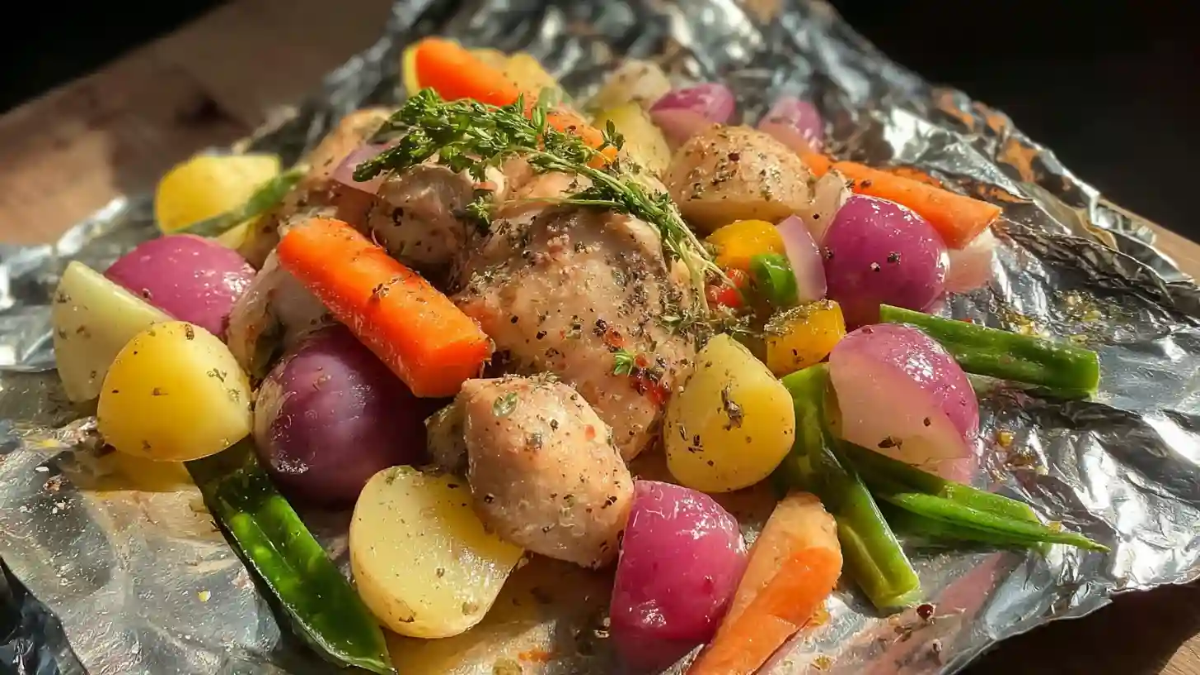
Chicken: Thighs are juicier and more forgiving over fire. Breast works too, if diced into even one-inch cubes.
Potatoes: Use waxy potatoes like red or Yukon Gold to avoid sogginess. Avoid Russets.
Layering Tip: Put firm veggies like potatoes and carrots on the bottom. Chicken in the center. Delicate ones like green beans go on top.
Ingredients Needed for Chicken Foil
Here’s what you’ll need to make the base chicken foil packets. The ingredients are grouped for simplicity and each has a quick note to help you get it just right.
For the Chicken and Vegetables
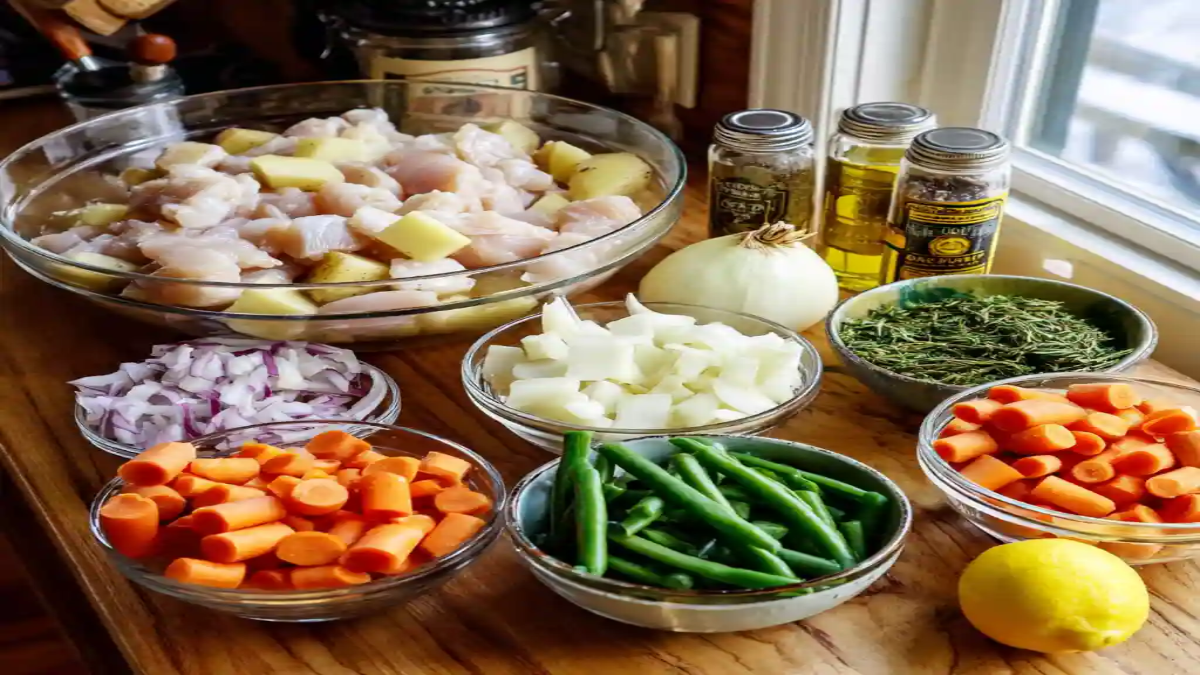
• One boneless chicken breast, cut into 1-inch cubes
• One cup cubed potatoes, cut into half-inch pieces for even cooking
• One cup green beans, trimmed
• One cup carrots, cut into thin matchstick strips
• One-quarter sliced onion for flavor and moisture
For the Seasoning and Sauce
• Two tablespoons canola oil to keep everything moist
• One teaspoon lemon juice to brighten the flavors
• One teaspoon Italian seasoning blend, including oregano, basil, thyme, and garlic powder
• Half a teaspoon of salt or to taste
• One-quarter teaspoon black pepper for a bit of spice
These ingredients come together to create a balanced meal with protein, veggies, and flavor in every bite.
How to Make Chicken Foil Packets
Follow these step-by-step instructions to assemble and cook perfect chicken foil packets. Each step is designed to make sure your meal turns out flavorful and fully cooked, no matter where you’re making it.
Step 1: Prep Your Ingredients
Wash and dry all vegetables. Cut the potatoes into small half-inch cubes so they cook evenly with the chicken. Slice the onion thin, trim the green beans, and slice the carrots into matchstick-sized pieces. Cube the chicken into one-inch pieces to ensure everything cooks at the same pace.
Step 2: Mix Everything Together
In a large bowl, combine the chicken, potatoes, green beans, carrots, and onion. Add the canola oil, lemon juice, Italian seasoning, salt, and pepper. Toss everything well so that each piece is coated evenly.
Step 3: Cut the Foil
Cut six sheets of heavy-duty foil, each about 12 inches wide and 16 to 18 inches long. This will make two double-wrapped packets with an extra layer for added security. If using standard foil, use three sheets per packet.
Step 4: Portion and Shape
Place half of the chicken and vegetable mixture in the center of one foil sheet. Spread it slightly into a rectangle, keeping enough space around the edges for sealing.
Step 5: Fold and Seal the Packet
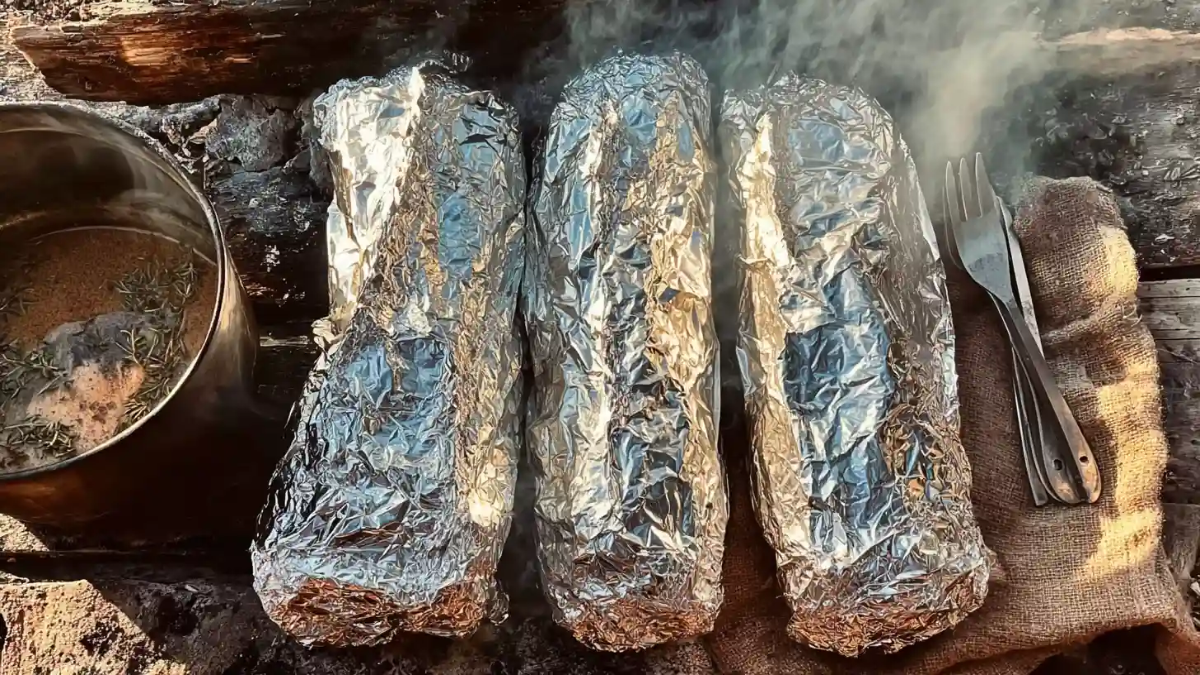
Bring the two long edges of the foil together above the food. Roll them tightly three times to seal. Then fold and roll the side edges toward the center to fully close the packet.
Step 6: Double Wrap for Safety
Place the sealed packet seam-side down on a second foil sheet. Repeat the folding and sealing process to fully enclose it in a second layer. This helps prevent leaks and burning.
Step 7: Repeat
Repeat the entire process to make the second packet with the remaining mixture.
Step 8: Store or Cook
You can store the packets in the fridge for up to one day before cooking. When you’re ready, choose your cooking method from the options below.
Seven Flavor Variations to Try
1. Classic Italian (Base)
Chicken, potatoes, carrots, green beans, onion, Italian seasoning, lemon juice, oil, salt, pepper.
2. Tex-Mex
Black beans, corn, diced tomatoes, taco seasoning, cheddar cheese.
3. Honey Garlic
Soy sauce, honey, minced garlic, green beans, red bell pepper.
4. Teriyaki
Teriyaki sauce, broccoli, bell peppers, sesame seeds.
5. Pesto Veggie
Pesto sauce, zucchini, mushrooms, cherry tomatoes.
6. Italian Dressing Hack
Use bottled Italian dressing instead of oil and spices. Add olives or roasted peppers.
7. Onion Soup Mix Hack
Sprinkle dry onion soup mix with a bit of water. Great with potatoes and carrots.
The Parchment Paper Method (Is Cooking in Foil Safe?)
Some campers worry about the safety of cooking directly in aluminum foil, especially when it comes into contact with acidic ingredients like lemon juice. If you want extra peace of mind, there’s a simple and effective solution. Line the inside of your foil with parchment paper.
This method creates a protective barrier between your food and the foil while still giving you all the benefits of foil cooking. It also helps prevent sticking and makes cleanup even easier.
How to Line Foil with Parchment Paper
- Cut a piece of parchment paper slightly smaller than your foil sheet. It should fit inside without sticking out at the edges.
- Place the parchment paper on top of the foil, then build your packet as usual by layering the chicken and vegetables in the center.
- Fold and seal the foil just like you would without the liner. The paper stays inside and acts as a barrier during cooking.
This technique is especially useful when cooking with ingredients that are acidic or sticky. It also adds a layer of confidence for anyone concerned about aluminum exposure.
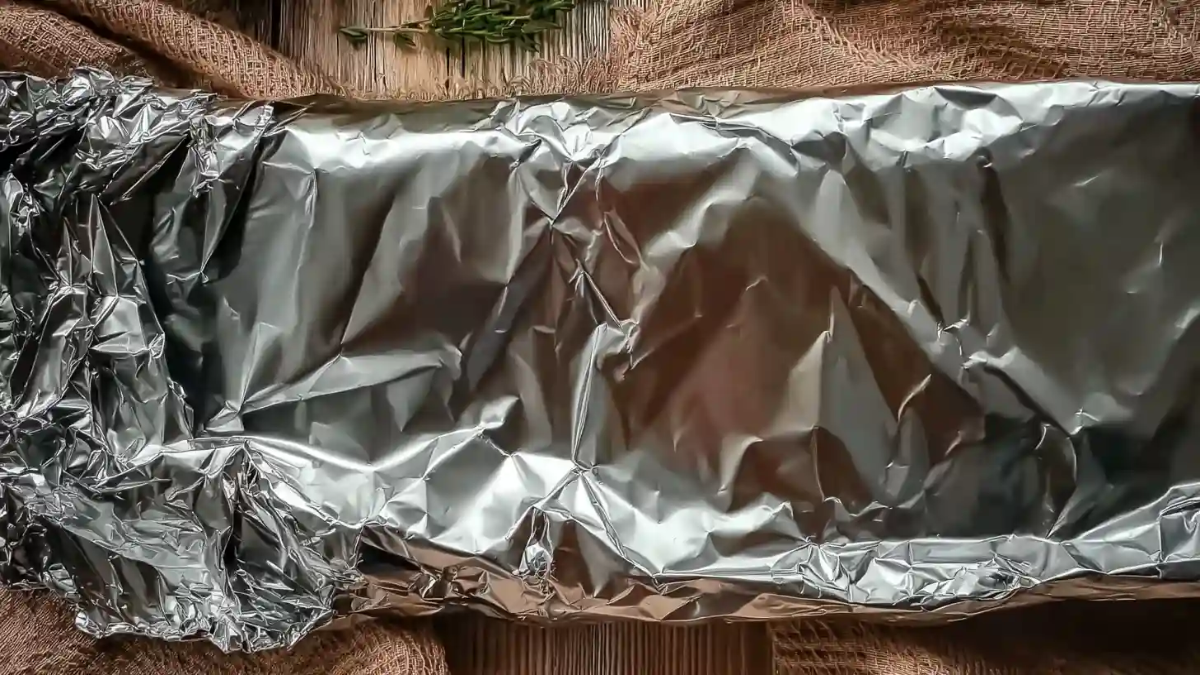
The 3 Ways to Cook Chicken Foil Packets
These foil packets are built for flexibility. Whether you’re cooking around a campfire, firing up the grill, or staying indoors with an oven, you’ll get great results by following these clear methods.
How to Cook on a Campfire
– Place the foil packets directly on a bed of hot coals. Avoid placing them over open flames which can burn the bottom before the center cooks.
– Push a few extra coals around the sides for even heat.
– Cook for 30 to 40 minutes, flipping gently every 10 minutes.
– Check that the chicken has reached 165 degrees Fahrenheit and the vegetables are fork-tender before serving.
How to Cook on the Grill
-Preheat your grill to medium-high heat, aiming for about 425 degrees Fahrenheit.
-Place the packets on the grill and close the lid.
-Grill for 30 to 40 minutes, flipping every 15 minutes to prevent burning.
-Check that the chicken is fully cooked through and juices run clear.
How to Cook in the Oven
-Preheat your oven to 425 degrees Fahrenheit.
-Place the foil packets on a baking sheet to catch any drips.
-Bake for 30 to 40 minutes. Flip each packet halfway through to ensure even cooking.
-Check for doneness with a meat thermometer. The chicken should be 165 degrees Fahrenheit in the thickest part.
The Ultimate Make-Ahead and Freezing Guide
Planning ahead for a camping trip or busy weeknight? These foil packets are perfect for prepping in advance and storing until you’re ready to cook. Follow these simple tips to make sure everything stays fresh and cooks perfectly when it’s time to eat.
How to Prep Packets Ahead (Refrigerating)
– Assemble the packets following the instructions, but don’t cook them yet.
– Place the wrapped packets on a tray or plate and store them in the refrigerator.
– They can stay chilled for up to 24 hours. Keep them in a cooler if you’re heading outdoors.
– Before cooking, let the packets sit at room temperature for about 10 minutes for more even heating.
How to Freeze Foil Packets (The Right Way)
– Wrap the packets tightly in an extra layer of foil or place them in freezer-safe zip bags.
– For extra leak protection, double-bag them to avoid mess during thawing.
– The best trick when freezing is to swap raw potatoes for frozen hashbrowns. Raw potatoes often turn gray and mushy in the freezer, but hashbrowns hold up well.
To cook from frozen, let the packets thaw in the fridge overnight. Then use any of the standard cooking methods, adding a few extra minutes to the total cook time.
Serving and Storage Tips
When it’s time to serve, open each foil packet carefully to avoid steam burns. Slide the contents onto a plate or serve straight from the foil for a rustic, no-dish meal. You can sprinkle fresh herbs like parsley or chives on top for extra flavor and color.
For sides, consider serving with crusty bread, a fresh green salad, or corn on the cob. These simple additions round out the meal without adding prep time.
If you have leftovers, let the packets cool completely. Transfer the contents to an airtight container and refrigerate for up to three days. To reheat, place the food back into a foil packet and warm in the oven at 350 degrees Fahrenheit until hot. You can also reheat on the grill or in a skillet over medium heat, stirring occasionally until heated through.
Avoid microwaving in foil. Always transfer the food to a microwave-safe dish if using that method.
Helpful Notes
Use heavy-duty foil for best results. Regular foil can tear or leak, especially over open heat. If using standard foil, double or triple wrap your packets to keep everything secure.
Cut vegetables and chicken to similar sizes. This ensures even cooking and avoids overcooked or undercooked bits.
Don’t overfill the packets. Spreading the food into a single layer helps it cook faster and more evenly. If needed, make extra packets instead of stuffing one too full.
Label your packets if you’re making different flavors. A permanent marker or a small tag helps keep things organized, especially if you’re cooking for a group.
Add cheese or fresh herbs after cooking. Items like shredded cheese or chopped parsley can lose their flavor or texture if cooked too long. Add them just before serving for the best result.
Test one packet first if cooking over a campfire. Campfire heat can vary, so checking one early helps you adjust timing for the rest.
Troubleshooting
If your vegetables are still hard while the chicken is fully cooked, the pieces may have been cut too large. Next time, slice potatoes and carrots thinner so they cook in the same amount of time as the meat.
If the packet is burned on the bottom, the heat may have been too high or you placed it over direct flames. Always use hot coals or indirect heat for even cooking without scorching.
If the packet leaked, it may not have been sealed tightly or the foil may have torn. Always double-wrap or use heavy-duty foil to prevent spills during cooking.
If the chicken turns out dry, it might be overcooked or cut too small. Stick to one-inch chunks and remove from heat as soon as the internal temperature hits 165 degrees Fahrenheit.
If your frozen packets taste watery, check that you swapped raw potatoes for frozen hashbrowns and used a double bag to prevent moisture from seeping in during thawing.
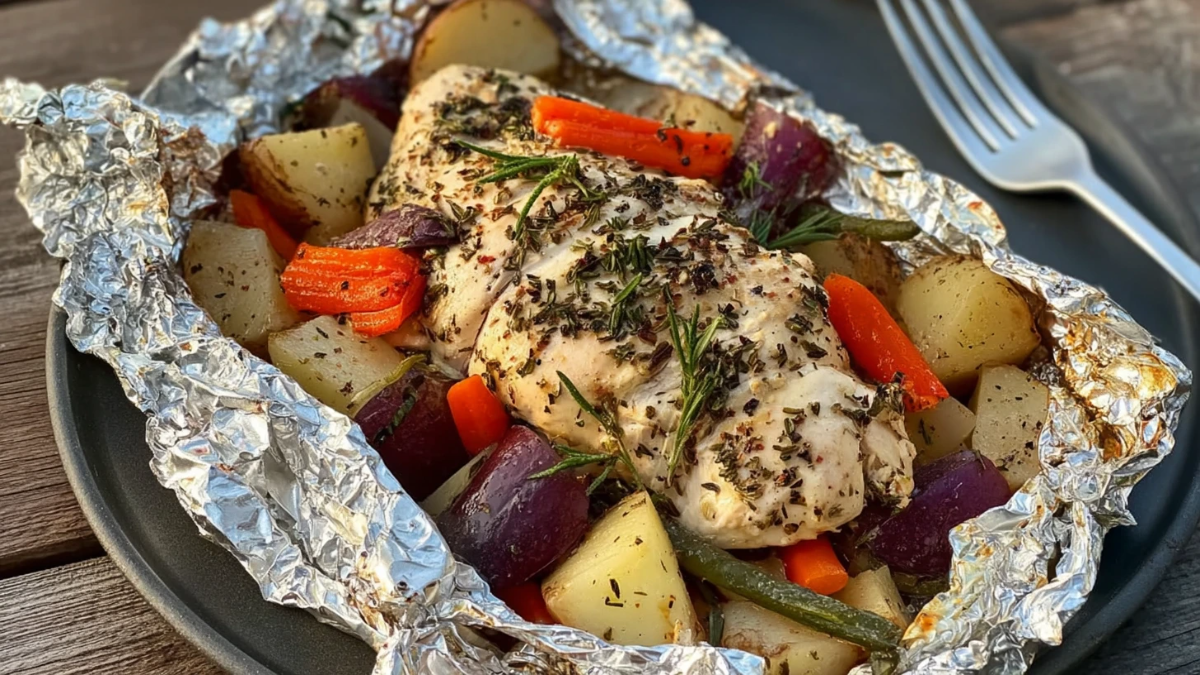

Chicken Foil Packets Camping Recipe
Ingredients
Method
- Wash and dry all vegetables. Cut potatoes into ½-inch cubes. Slice onion thinly, trim green beans, and cut carrots into matchsticks. Cube chicken into 1-inch pieces.
- In a large bowl, mix chicken, potatoes, green beans, carrots, and onion. Add canola oil, lemon juice, Italian seasoning, salt, and pepper. Toss to coat evenly.
- Cut six sheets of heavy-duty foil, each about 12 inches by 18 inches. These will form two double-wrapped packets.
- Place half the chicken-veggie mix in the center of one foil sheet. Spread it into a rectangle, leaving space at the edges.
- Bring long sides of the foil together over the mixture and fold three times. Then fold the sides inward to seal completely.
- Place the sealed packet seam-side down on a second foil sheet. Repeat folding to double-wrap it securely.
- Repeat the process for the second packet using the remaining mixture.
- Store in the fridge for up to 1 day or proceed with cooking.
- To cook: Place on hot coals, grill at 425°F, or bake in oven at 425°F for 30–40 minutes, flipping halfway. Ensure chicken reaches 165°F internal temp before serving.
Notes
Nutrition Facts (Per Serving)
- Calories: 395 kcal
- Carbohydrates: 32 g
- Protein: 28 g
- Fat: 18 g
- Sodium: 779 mg
- Fiber: 7 g
- Sugar: 7 g
- Iron: 3 mg
Conclusion
This chicken foil packet recipe delivers flavor, convenience, and flexibility in one smart solution. With just a bit of prep, you get a full meal that works at the campfire, on the grill, or in the oven. It’s an easy choice for camping trips, backyard dinners, or even busy weeknights.
You now have a solid base recipe, six flavor-packed variations, expert cooking tips, and safe storage ideas to help you get it right every time. Whether you’re feeding a group or prepping ahead, this guide makes it simple.
Tried this recipe? Leave a comment below and don’t forget to add a star rating. Your feedback helps others and supports the site.
Share it with your friends on Pinterest or Facebook so they can enjoy it too.
What flavor variation did you try? Let us know in the comments.
Leave a Reply
You must be logged in to post a comment.