
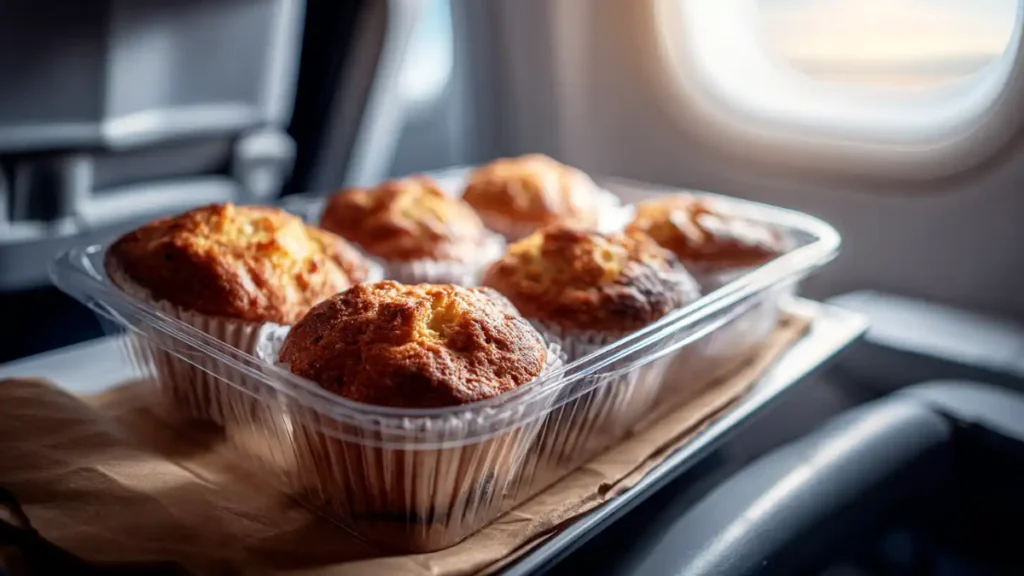
Airport snacks cost a fortune and often disappoint. That $8 muffin? Dry, crumbly, and flavorless once you’re in the air. And forget about freshness most muffins collapse in your carry-on or stick to the wrapper like glue.
Meet the Aviator Muffin. It’s built for the skies, not the bakery case. This homemade snack stays moist for 12 hours, passes TSA without drama, and actually tastes good at cruising altitude. Whether you’re flying short-haul or crossing oceans, this is the muffin you want at 35,000 feet.
Why Regular Muffins Fail at Altitude
The Crumble Factor: Why “tender” bakery muffins make a mess in your carry-on
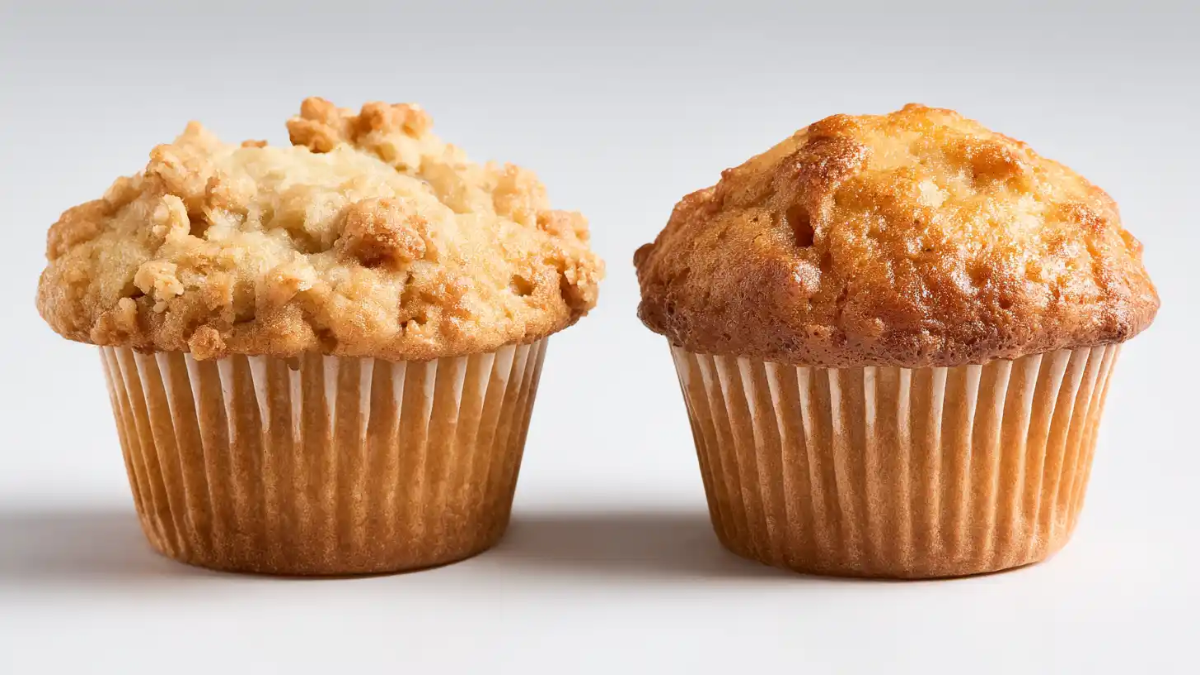
Most bakery muffins are designed to be soft and delicate. That tenderness comes from using low-protein flour and minimal mixing. It works great for eating at home but not for travel. Once packed in a carry-on, these muffins break apart with every bump and shift. The result is a bag full of crumbs instead of a portable snack.
Taste Bud Suppression: Engine noise and pressure dull flavor by 30 percent
At high altitudes, your ability to taste drops sharply. The dry air and constant white noise from engines reduce your sensitivity to sweet and salty flavors. Even well-seasoned muffins can taste bland on a plane. That’s why in-flight meals often seem flavorless unless they’re loaded with spice or salt.
The Dry Air Problem: Cabin humidity pulls moisture from snacks
Airplane cabins are drier than most deserts, with humidity levels as low as 10 percent. Butter-based baked goods dry out quickly in this environment. What was moist on the ground becomes chalky mid-flight. Without the right ingredients and structure, muffins lose their appeal before you even reach cruising altitude.
Ingredients Needed
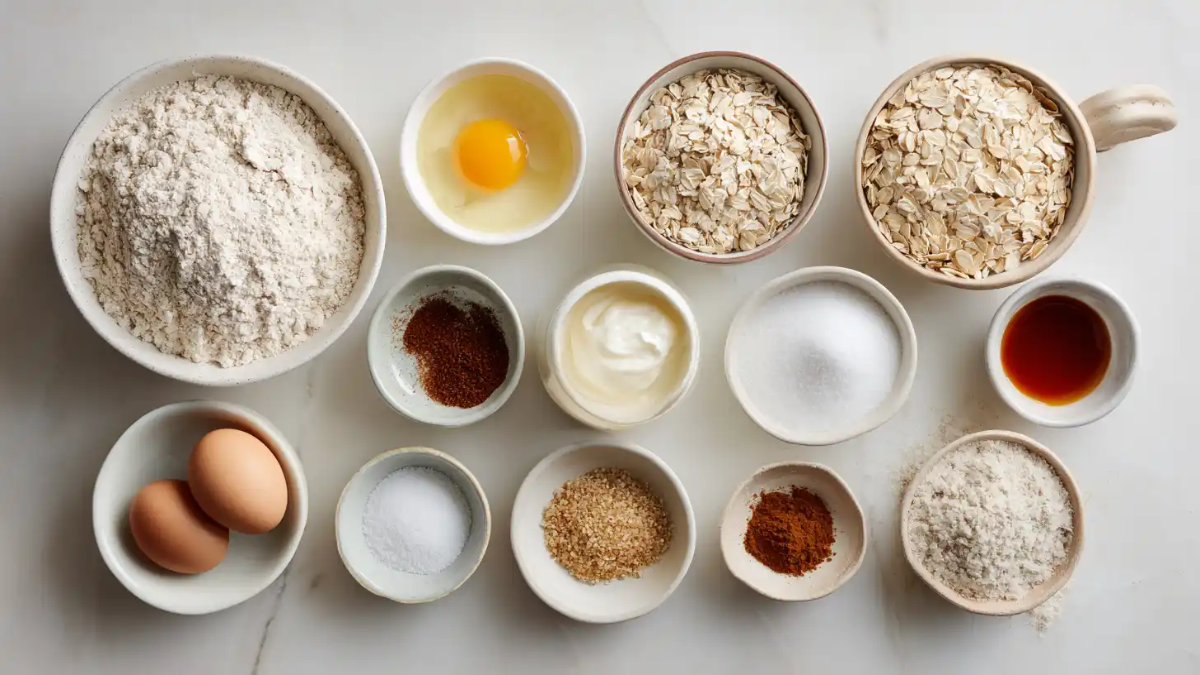
The Engineered “Aviator” Batter Ingredients:
Stability Base: 1 cup All-Purpose Flour + 1/2 cup Rolled Oats (or Oat Flour). (Oats hold moisture and prevent crumbling better than just flour).
Moisture Lock: 1/2 cup Greek Yogurt (instead of just milk). (The protein structure keeps it sturdy, and the acidity keeps it tender without being crumbly).
Travel-Safe Fat: 1/3 cup Vegetable Oil. (Butter solidifies and tastes waxy in a cold cabin; oil stays liquid and moist).
Flavor Amplifiers (The Altitude Fix):
1/2 cup Dark Brown Sugar (Holds moisture better than white sugar).
2 tsp Cinnamon + 1/2 tsp Cardamom/Nutmeg. (You need aggressive spice to taste “normal” at 35,000 feet).
1/2 tsp Salt (Increased slightly for altitude perception).
Choose Your Travel Profile:
- The Red-Eye (Energy): Add 1 tbsp Espresso powder + 1/2 cup Mini Chocolate Chips.
- The Long-Haul (Satiety): Add 1/4 cup chopped walnuts + 1/4 cup dried cranberries (Fruit won’t make it soggy, nuts keep you full)
These ingredients are chosen for stability, flavor, and moisture retention. The oil-based base keeps the muffin soft over time, while the flour and egg provide a strong structure that holds up during travel.
Callout Box:
- “Why No Butter?” : Butter creates a hard texture in cold air. We use oil to keep your muffin soft even if your flight has AC on full blast.
How to Make Homemade Muffins for Airplane Travel
- Preheat and prepare the pan
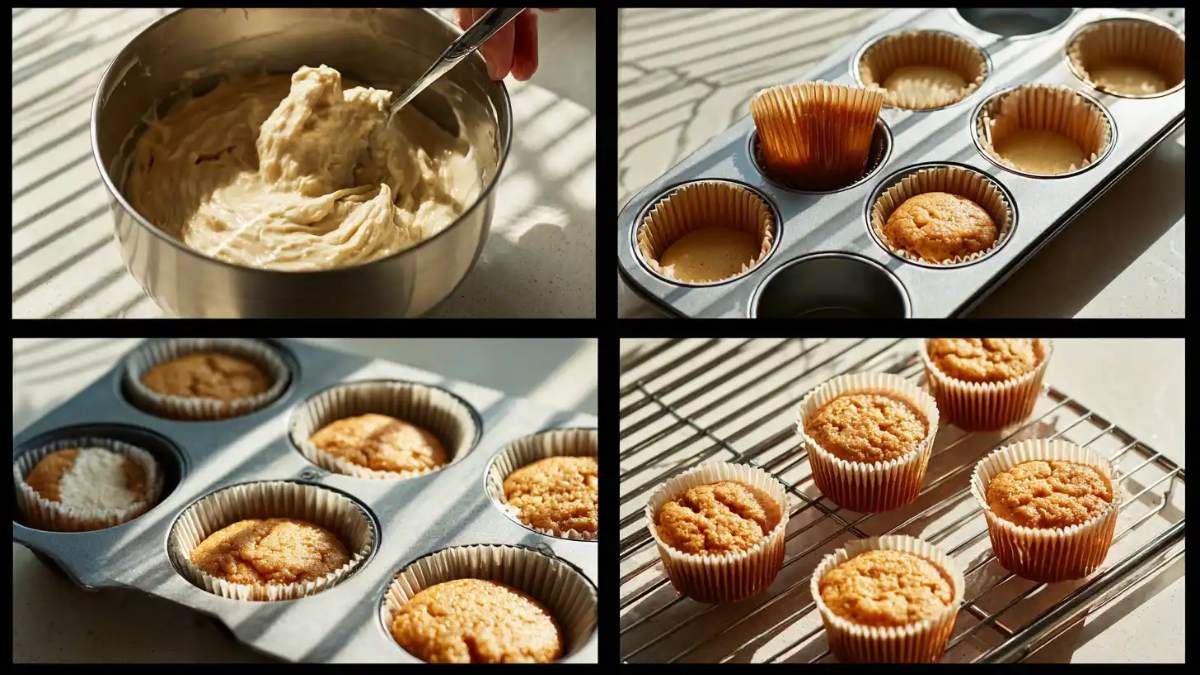
Set your oven to 400 degrees Fahrenheit or 200 degrees Celsius. Line a muffin tin with parchment paper liners or lightly grease each cup to prevent sticking.
- Mix the wet ingredients
In a medium bowl, whisk together the beaten egg, milk, oil, and vanilla extract until fully blended. This step helps distribute flavor evenly.
- Combine the dry ingredients
In a separate large bowl, whisk the flour, sugar, baking powder, and salt. Make sure the baking powder is well mixed throughout to prevent uneven rising.
- Blend the wet into the dry
Pour the liquid mixture into the bowl of dry ingredients. Stir gently with a spoon or spatula until just combined. A few small lumps are normal and even helpful. Overmixing creates dense muffins.
- Fill the muffin cups
Spoon the batter into each muffin cup until about two-thirds full. This gives space for the muffins to rise without spilling over.
- Bake until golden and firm
Place the pan in the oven and bake for 16 to 20 minutes. The tops should be lightly golden and spring back when touched. A toothpick inserted in the center should come out clean.
- Cool completely
Remove the muffins from the pan and place them on a wire rack. Let them cool for at least two hours before packing. This prevents moisture buildup and keeps the structure firm for travel.
Packing Logistics: How to Pack Muffins in a Carry-On
The Pringles Can Hack
An empty chip tube is the perfect travel container for muffins, especially the mini size. Stack the muffins gently inside the can, placing a paper towel at the bottom and top to cushion movement. The rigid walls protect against crushing in a tightly packed carry-on. Plus, the lid seals in freshness while keeping cabin air out.
TSA Rules for Baked Goods
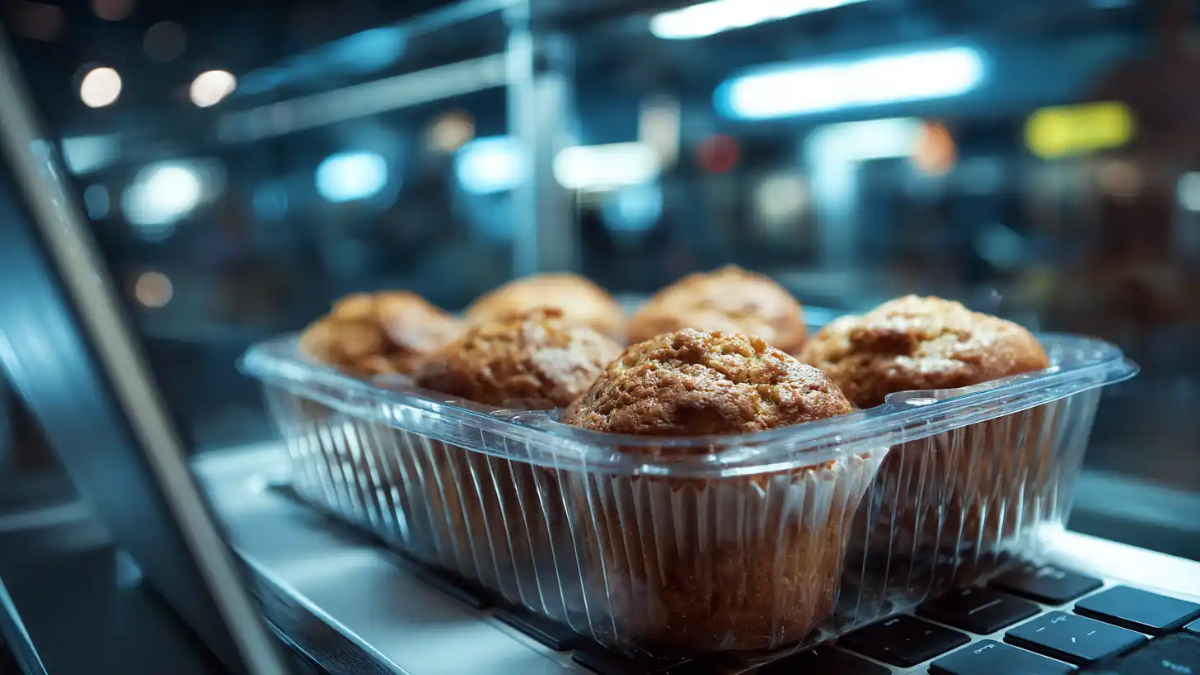
TSA allows solid food items in both checked and carry-on bags. Muffins are considered solid, so they pass through just fine. Problems arise with fillings like jam or cream cheese. These can be seen as gels or liquids if too gooey or overfilled. Instead of piping fillings into the center, swirl them lightly into the batter before baking. This keeps the muffin TSA-compliant.
Tip: Place your muffins in a clear container or resealable bag. At security, remove them from your luggage just like a laptop and place them in a separate bin. This speeds up screening and avoids manual bag searches.
Expert Troubleshooting: Avoiding Travel Disasters
First Problem: My muffins crumbled into a mess in my bag
The Cause: Most bakery-style recipes use cake flour or limit mixing to keep muffins soft. This reduces gluten development, making the structure weak. During travel, vibration and movement break them apart easily.
The Fix:
Cool the muffins fully before packing. Warm muffins have unstable starches that collapse under pressure. Let them cool on a wire rack for at least two hours.
If they are still too fragile, try replacing one quarter of the flour with rolled oats. You can also add an extra egg yolk to strengthen the internal structure.
Second Problem: The muffins got soggy and sticky in the container
The Cause: When you seal warm muffins in plastic, condensation forms and settles on the surface. In the air, cabin pressure drops and flexible containers expand. This presses the plastic against the muffin, creating a sticky texture.
The Fix:
Use a rigid container and place a folded paper towel both under and over the muffins. This setup absorbs extra moisture and keeps the tops dry.
Third Problem: They tasted great at home but bland on the plane
The Cause: Low cabin pressure and constant background noise reduce your ability to taste sweet and salty foods by up to thirty percent.
The Fix:
Boost the flavor with the one and a half times rule. Increase your spices like cinnamon or cardamom by fifty percent. Add ingredients like walnuts or use browned butter to include umami, which remains strong even at altitude.
Fourth Problem: TSA flagged my bag for a search
The Cause: Muffins appear dense on X-ray scanners, similar to other organic materials that require extra screening. If you keep them in your bag, they might trigger a manual search.
The Fix:
Place the container in a separate bin during screening. This helps TSA identify it quickly. Avoid fillings that could be seen as gels. Swirling fruit into the batter rather than adding a center filling reduces the chance of them being flagged.
Fifth Problem: The liners stuck to the muffins
The Cause: Dry cabin air pulls moisture from the muffin crust through the liner. As the liner dries out, it sticks firmly to the muffin.
The Fix:
Choose parchment liners or reusable silicone cups. These resist moisture loss and release cleanly. If using regular paper liners, spray the inside lightly with non-stick spray before filling to reduce sticking.
Serving and Storage Tips
Serving Suggestions
For early morning flights, pair your muffin with a travel mug of coffee or tea packed at the gate. If you’re traveling with kids, slice muffins into quarters and serve them with a stick of cheese or a boiled egg for a balanced snack. For longer flights, pack individual muffins with a side pouch of trail mix or dried fruit for variety.
Storage Tips
Let muffins cool completely before storing. Use a hard-sided container with a tight lid to prevent crushing and moisture loss. Line the bottom and top with paper towels to control humidity. Store at room temperature for up to two days. For longer trips, freeze the muffins in advance and let them thaw in your bag during the journey. They will be ready to eat by the time you reach cruising altitude.
Avoid storing in plastic bags, as they trap moisture and promote stickiness. Muffins stored properly stay fresh, soft, and mess-free from takeoff to landing.
Pro-Travel Tip: Freeze your muffins the night before! They will act as ice packs for your other snacks and will be perfectly thawed and moist by the time you reach cruising altitude.
Helpful Notes
- Make it mini
Mini muffins are easier to pack, quicker to eat, and less likely to crumble. They also fit perfectly in a chip can or small food container. - Flavor boosters
Add a pinch of cinnamon, nutmeg, or even instant espresso powder to give your muffins a stronger taste. Spices stand up better to the dulling effects of altitude. - Sweetener swaps
You can replace white sugar with honey or maple syrup, but reduce the liquid elsewhere slightly to balance the moisture. - Add-ins that travel well
Chopped dried fruit, nuts, and small chocolate chips hold up better than fresh fruit pieces, which can make muffins soggy over time. - Bake ahead and freeze
Bake your muffins a day or two before the flight, freeze them, then pack frozen. They will stay cold longer and thaw naturally mid-flight, keeping freshness locked in.
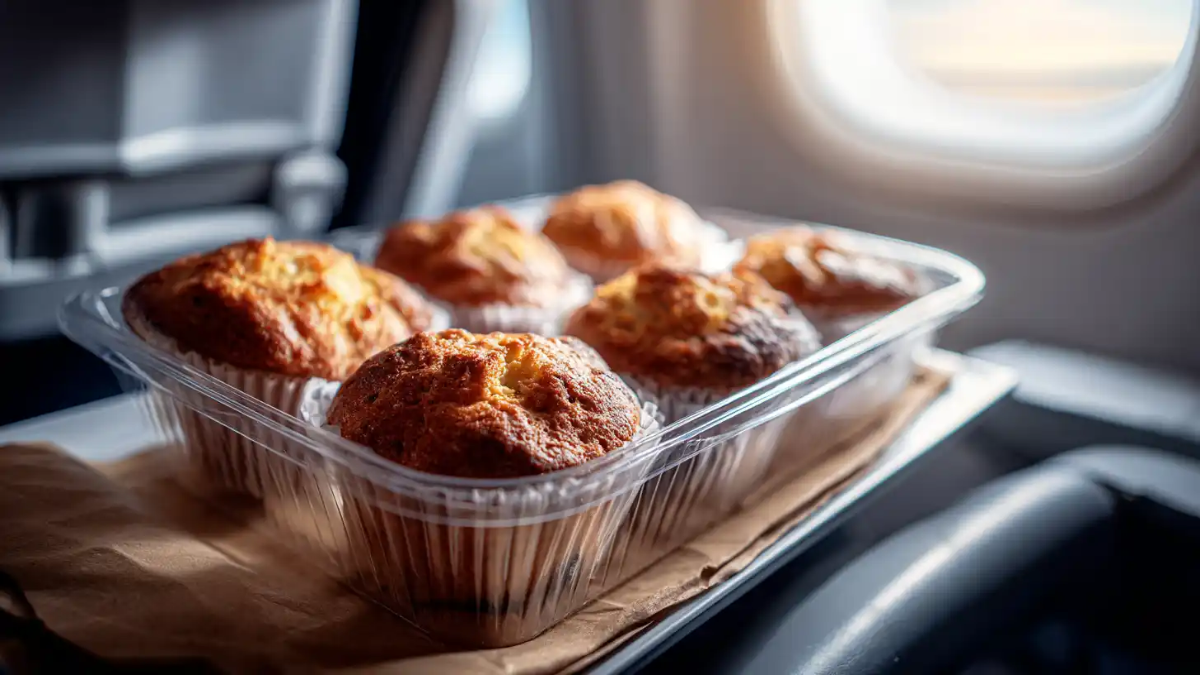

Homemade Muffins for Airplane Travel (No Mess, No Crumbs)
Ingredients
Method
- Preheat oven to 400°F (200°C). Line a muffin tin with parchment liners or grease lightly.
- In a medium bowl, whisk together egg, milk, oil, and vanilla extract until smooth.
- In a separate large bowl, combine flour, oats, brown sugar, cinnamon, cardamom, salt, and baking powder. Mix well.
- Pour the wet mixture into the dry and stir until just combined. Do not overmix.
- Fold in walnuts and cranberries gently.
- Fill each muffin cup 2/3 full with batter.
- Bake for 16–20 minutes until golden and a toothpick comes out clean.
- Cool muffins completely on a wire rack for at least 2 hours before packing.
Notes
- Calories: 255 kcal (Higher caloric density for long-flight satiety)
- Carbohydrates: 34 g
- Protein: 5 g (Boosted by Greek Yogurt & Nuts)
- Fat: 11 g (Essential for avoiding “sugar crash”)
- Saturated Fat: 2 g
- Cholesterol: 31 mg
- Sodium: 185 mg (Slightly higher to compensate for altitude suppression)
- Potassium: 140 mg
- Sugar: 16 g (From Brown Sugar & Fruit)
- Fiber: 2 g
- Liquids: Vegetable Oil + Greek Yogurt (No Butter)
- Structure: All-Purpose Flour + Rolled Oats
- Sweetener: Dark Brown Sugar + Maple Syrup (Hygroscopic)
- Flavor: Cinnamon + Cardamom + Vanilla (High Amplitude)
Conclusion
Stop wasting money on dry airport muffins that taste like cardboard and fall apart in your bag. With the Aviator Muffin, you get a snack that holds its shape, stays moist for hours, and actually tastes good at cruising altitude. It’s built from the ground up for travel, not just for looks.
Whether you’re a frequent flyer or just heading out for a weekend trip, these muffins check all the boxes. They’re easy to make, simple to pack, and smartly designed for the challenges of air travel.
Ready to upgrade your travel snacks? Try the recipe, pack smart, and tag us in your airplane snack photos. We want to see how your muffins made it through security and tasted at 35,000 feet.
Leave a Reply
You must be logged in to post a comment.