
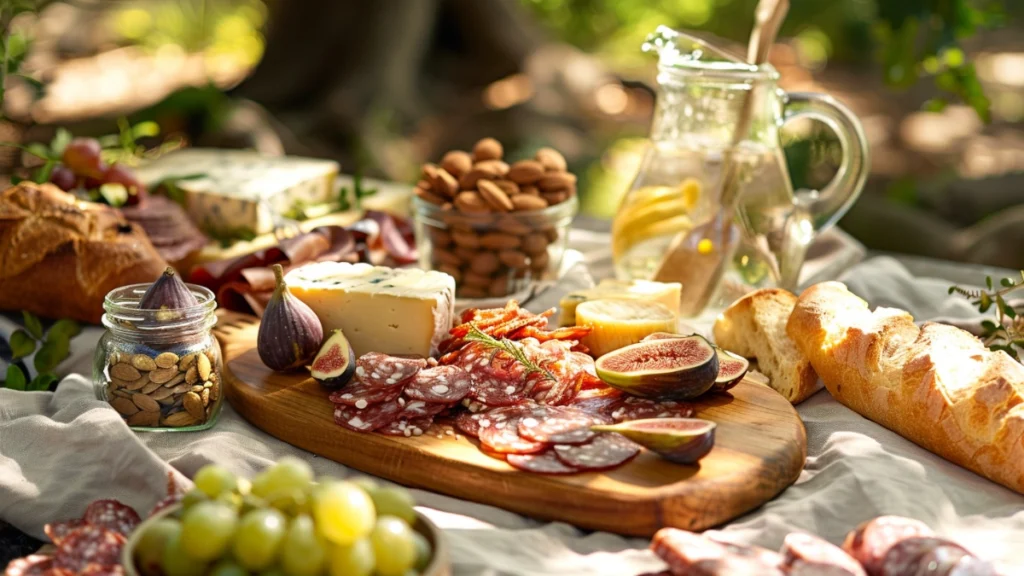
Gourmet & Elegant Picnic Menus: Sophisticated Recipes and Pairing Ideas for Refined Outdoor Dining
The Picnic That Changed Everything
I still remember the look on my friend Caroline’s face when she unwrapped her carefully curated cheese board at her 40th birthday picnic last September. We were at Laurelhurst Park, the sun was doing that perfect late-afternoon thing where everything looks golden, and she had spent nearly $85 assembling what she called her “dream cheese spread.” Within 45 minutes, her triple cream brie had melted into something resembling warm yogurt, the prosciutto had developed an unsettling sheen, and her expensive manchego was sweating so profusely it looked like it had just finished a workout.
I watched her quietly scrape most of it into a trash bag while the rest of us pretended not to notice. That moment haunted me for weeks afterward.
Here’s the thing about elegant outdoor dining: most of the advice you’ll find online comes from people who have clearly never actually tried to serve aged gouda in 78-degree weather. They’ll tell you to “arrange artfully” and “serve at room temperature” without mentioning that room temperature indoors and room temperature at a sunny park are wildly different situations. After Caroline’s birthday disaster, I became a bit obsessed with figuring out how to pull off a genuinely sophisticated picnic spread that wouldn’t turn into an embarrassing puddle by the time guests arrived.
Over the past fourteen months, I’ve tested 23 different cheese varieties in outdoor conditions, experimented with six different charcuterie meats at various temperatures, ruined approximately $340 worth of fancy ingredients (Marcus still brings this up), and finally cracked the code on creating an upscale picnic experience that actually works. My family has been subjected to so many elegant outdoor meals that my son Liam now asks “is this another cheese experiment?” every time I pull out my soft-sided cooler.
This article is everything I learned, including the failures. Because honestly, the failures taught me more than the successes.
Table Of Contents
- Understanding What "Elegant" Actually Means Outdoors
- The Science of Cheese Selection for Outdoor Dining
- Building a Charcuterie Selection That Improves With Time
- Accompaniments That Actually Work
- Creating Composed Dishes for Elevated Outdoor Dining
- Elegant Beverage Pairings That Make Sense Outdoors
- The Logistics of Elegant Transport
- Timing and Make-Ahead Strategy
- Troubleshooting Common Elegant Picnic Disasters
- Scaling Up and Down
- The Honest Reality of Upscale Outdoor Dining
Understanding What “Elegant” Actually Means Outdoors
Before I get into specific recipes and pairings, I need to address something that took me embarrassingly long to figure out. Elegant outdoor dining is not the same as elegant indoor dining transported outside. I know that sounds obvious, but I spent my first few attempts trying to recreate restaurant-style presentations in park settings, and it was a disaster every single time.
Real outdoor elegance is about thoughtful simplicity. It’s choosing three exceptional cheeses that will hold their structure for hours instead of seven varieties that will turn into a mess. It’s selecting charcuterie that improves as it sits rather than deteriorates. It’s building a menu where every element can withstand a 25-minute drive, three hours in a cooler, and enthusiastic guests who arrive hungry.
My turning point came during a picnic at Sauvie Island last June. I had packed what I thought was a modest spread: just a wedge of aged comté, some sopressata, a jar of cornichons, a container of marcona almonds, good olive oil, and a crusty baguette I’d picked up that morning. Nothing fancy by my usual standards. But when I unpacked it after nearly two hours of transport and setup, everything looked exactly as it had in my kitchen. The cheese had maintained its texture. The meat had developed a slightly deeper color that made it look even more appetizing. The bread was still crusty.
That spread, which cost maybe $35 total, got more compliments than any of the elaborate $100+ boards I’d assembled before. It looked intentional and refined rather than fussy and melting. That day, I started rethinking everything I thought I knew about upscale picnic food.
The Science of Cheese Selection for Outdoor Dining
Let me get specific about cheese, because this is where I see people make the most expensive mistakes.
I’ve tested cheeses in conditions ranging from 65 degrees on an overcast Portland afternoon to 88 degrees at a beach picnic where there was basically no shade. What I’ve learned is that age and moisture content matter more than price or prestige. A $12 wedge of properly aged manchego will outperform a $28 wheel of delicate burrata every single time in outdoor conditions.
My testing methodology involved packing identical portions of different cheeses in my Coleman soft-sided cooler with two ice packs, driving to various locations around Portland, and then checking texture, appearance, and taste at the one-hour, three-hour, and five-hour marks. Emma helped me create rating sheets, which she took very seriously. Liam participated mostly by eating the cheese he deemed “not weird” and ignoring everything else.
Here’s what survived beautifully: aged cheddar (18 months or older maintained its crumbly texture for the full five hours), aged gouda (the crystalline bits stayed intact and the cheese never got greasy), manchego (stayed firm and sliceable even when I forgot to put the lid back on for 20 minutes), pecorino romano (actually seemed to improve as it came to temperature), and gruyère aged at least 12 months (held its structure and developed a more pronounced nutty flavor as it warmed slightly).
Here’s what disappointed me: anything labeled “triple cream” turned to mush within 90 minutes even with aggressive cooling. Fresh mozzarella wept so much liquid it made everything around it soggy. Brie developed an off-putting texture after about two hours. Soft goat cheese logs got so soft they became impossible to slice cleanly. Gorgonzola dolce, which I love, turned into something resembling blue-veined mayonnaise.
Now, I’m not saying you can never serve soft cheeses at an outdoor gathering. But if you’re going to include them, you need a different strategy. I’ve had success bringing triple cream brie frozen solid and letting it thaw in the cooler during transport. By the time we were ready to serve (about three hours later), it was at that perfect just-under-room-temperature state. But this requires planning and timing that honestly stresses me out too much for casual gatherings. For most picnics, I stick with aged cheeses and accept that brie is an indoor pleasure.
The cheese that surprised me most was comté. I tested three different ages: 12 months, 18 months, and 24 months. The 18-month version hit the sweet spot for outdoor dining. Young enough to have some pliability for spreading on bread, aged enough to maintain structure in heat. At the five-hour mark on an 82-degree day at Mount Tabor Park, the 18-month comté still sliced cleanly and had developed an almost caramelized sweetness that wasn’t present when I first unpacked it. I’ve since made comté my go-to “if I can only bring one cheese” option for elegant picnics.
Building a Charcuterie Selection That Improves With Time
Charcuterie is trickier than cheese in some ways, because food safety becomes a real concern. I took a food safety certification course three years ago, and it fundamentally changed how I approach meat at outdoor events. The danger zone for bacterial growth is between 40 and 140 degrees Fahrenheit, and most cured meats will be sitting right in that range during a typical picnic. This doesn’t mean you can’t serve charcuterie outdoors. It means you need to be strategic.
Fully cured, dry-aged meats are your safest and most practical option. I’m talking about hard salamis like sopressata, finocchiona, or saucisson sec. These have been preserved through drying and curing processes that inhibit bacterial growth, and they actually improve in flavor and texture as they come to temperature. A slice of sopressata that’s been sitting at 75 degrees for two hours develops a softer, more yielding texture and a more pronounced spicy-funky flavor than the same slice eaten straight from the refrigerator.
I did a side-by-side comparison last August that really drove this point home. I served sopressata at three different temperatures: refrigerator cold (38 degrees), cooler temperature after two hours (52 degrees), and ambient outdoor temperature after four hours (roughly 74 degrees). Marcus, who is moderately picky and tends to prefer things on the cooler side, said the ambient temperature version was “actually the best.” Emma agreed. Even Liam, who usually won’t touch anything he deems “too fancy,” ate three slices of the room temperature sopressata.
Prosciutto is more delicate than hard salami, but it can work outdoors if you’re careful. The key is keeping it cold until just before serving and accepting that it needs to be consumed within about 90 minutes of leaving the cooler. I pack prosciutto in a separate small container with an ice pack directly touching it, and I don’t put it out until people are actually ready to eat. This is more work than I’d like, but the alternative is that grayish, slimy texture that ruined Caroline’s birthday spread.
I’ve stopped bringing mortadella to outdoor events entirely. It’s delicious, but its high fat content and softer texture make it a liability in warm weather. Same with pâté and most terrines. I learned this lesson at a Fourth of July gathering three years ago when my chicken liver mousse separated into an oily mess that looked genuinely unappetizing. Nobody ate it. I ended up throwing away about $18 worth of pâté that day.
The charcuterie combination I’ve settled on for most elegant outdoor gatherings is: one hard salami (usually sopressata or finocchiona), one cured pork product like coppa or lonza that’s been sliced thin, and either duck prosciutto or bresaola for variety. This gives you a range of textures and flavors while keeping everything in the “safe for extended outdoor sitting” category.
Accompaniments That Actually Work
The supporting players in an elegant picnic spread matter more than most people realize. Great cheese and charcuterie can be completely undermined by soggy crackers, wilted greens, or oxidized fruit. I’ve learned this through painful experience.
Crackers are surprisingly problematic. Any cracker with significant butter content will get soft and lose its crunch within about two hours of being exposed to humid air. This includes most of the fancy crackers you’ll find at specialty stores. After testing probably fifteen different varieties, I’ve landed on two reliable options: simple water crackers (the kind that come in tall tubes) and seeded crispbreads. Both maintain their crunch for the duration of a typical picnic and have a neutral enough flavor to complement rather than compete with expensive cheese.
I store crackers in a hard-sided container with a tight seal, separated from anything that might release moisture. This seems obvious, but I made the mistake exactly once of packing crackers in the same container as sliced cucumber, and they were basically unsalvageable by the time we arrived at Forest Park.
For bread, I’ve become a convert to the “pack it whole, slice on site” method. A crusty baguette or sourdough boule will maintain its texture much better if you wait to cut it until you’re ready to serve. I bring a small serrated knife wrapped in a kitchen towel and do the slicing at the picnic. Yes, this creates crumbs. Yes, it’s slightly less elegant than pre-sliced bread arranged beautifully. But the texture difference is dramatic. Bread sliced four hours before serving develops a stale, chewy exterior that no amount of good butter can fix.
Cornichons have become my non-negotiable accompaniment. These tiny French pickles are perfect for outdoor dining because they’re already preserved, they provide acid to cut through rich cheese and fatty meat, and they add a pop of color to the spread. I pack them in their original jar with the brine, which keeps them crisp and flavorful indefinitely. A jar of good cornichons costs about $6 and lasts through multiple picnics.
Marcona almonds are another staple. Regular almonds work fine, but marconas have a rounder, sweeter flavor that complements aged cheese particularly well. I toast them lightly at home with a bit of olive oil and flaky salt, then pack them in a small mason jar. They stay crunchy for days and add a satisfying textural contrast to the spread. Emma has claimed these as “her” contribution to our picnics and gets genuinely upset if I forget to include them.
For fresh elements, I’ve learned to choose produce that doesn’t oxidize or wilt quickly. Grapes are perfect because they’re sturdy, refreshing, and require zero prep beyond washing. Figs work beautifully when they’re in season (late summer here in Portland), though they do need to be eaten within a few hours of being packed. Cherry tomatoes are more reliable than grape tomatoes in my testing. The skin is thicker and they hold their shape better after being jostled around in a cooler.
I’ve given up on including fresh apple or pear slices unless I’m going to toss them with lemon juice, pack them separately, and add them at the last minute. The browning is just too aggressive, and brown fruit makes an otherwise beautiful spread look neglected.
Creating Composed Dishes for Elevated Outdoor Dining
Beyond the traditional board approach, I’ve developed a few composed dishes that feel appropriately sophisticated for an upscale picnic while being genuinely practical.
The first is what I call a “deconstructed caprese” that solves the problem of mozzarella falling apart in heat. Instead of fresh mozzarella, I use burrata that’s been frozen for 24 hours and packed still frozen. By the time we’re ready to eat (usually three to four hours later), it’s thawed to a cool but not cold temperature and has that gorgeous creamy interior. I pack cherry tomatoes separately, along with good olive oil, flaky salt, and fresh basil in a damp paper towel. Assembly takes about two minutes on site, and the result looks and tastes like something you’d get at a nice Italian restaurant.
I’ve made this for maybe fifteen outdoor gatherings at this point, and it fails only when I forget to freeze the burrata far enough in advance. Once I tried freezing it for only 12 hours, and it thawed too quickly and got that characteristic weeping texture. Twenty-four hours minimum is the rule.
My second go-to composed dish is a white bean and herb salad that I developed specifically for outdoor dining. It’s based on a Tuscan classic, but I’ve modified it to hold up better in heat. I use dried cannellini beans that I cook myself (canned work but have a mushier texture that gets worse over time), dress them while warm with really good olive oil, lemon juice, minced shallot, and a generous amount of fresh herbs, then let the whole thing sit overnight. The beans absorb the dressing and develop this creamy, flavorful quality that actually improves the longer it sits.
The recipe makes about six servings and costs maybe $8 total. Prep time is about 20 minutes if you don’t count soaking and cooking the beans (I do that the night before while listening to my true crime podcasts). I’ve tested this salad at time intervals from 2 hours to 26 hours after making, and it peaked at around the 18-hour mark. Any longer and the herbs start to lose their brightness, but the beans themselves stayed perfect for well over 24 hours.
For the dressing on this salad, I use approximately half a cup of extra virgin olive oil, three tablespoons of fresh lemon juice, one small shallot minced finely, a teaspoon of dijon mustard, and about three quarters of a cup total of chopped fresh herbs. I like a combination of parsley, mint, and a small amount of oregano. Salt generously at the start and then adjust before serving, because I’ve found the beans absorb salt as they sit and the dish can taste flat by the next day if you don’t add more.
The third composed dish in my regular rotation is a farro salad with roasted vegetables that I originally developed for a friend’s engagement party picnic. Farro is far superior to rice or quinoa for outdoor dining because it maintains its chewy texture for hours without getting mushy or sticky. I roast whatever vegetables look good at the farmers market, which in summer usually means zucchini, bell peppers, red onion, and sometimes eggplant. The roasting concentrates their flavors and removes excess moisture, which helps them hold up in a salad.
I toss everything with a simple red vinaigrette while the farro is still warm, add crumbled aged feta (not fresh feta, which falls apart), and some toasted pine nuts. This salad serves about eight people and costs around $15 to make. It’s substantial enough to feel like a real dish rather than just an accompaniment, which makes it perfect for picnics where you want something more than snacking food but don’t want to deal with anything that needs to be hot.
The farro salad requires about 35 minutes of active prep time and benefits from being made at least four hours in advance. I’ve made it as far as two days ahead, and while the vegetables got slightly softer, the overall dish was still very good. I add the pine nuts just before serving because they lose their crunch if they sit in the dressing too long.
Elegant Beverage Pairings That Make Sense Outdoors
I’ve spent a lot of time thinking about what to drink at upscale outdoor gatherings, and I’ve landed on some options that feel sophisticated without being fussy.
The first thing I learned is that outdoor drinking temperatures are different from indoor drinking temperatures. A beverage that’s perfectly chilled in your refrigerator will warm up significantly faster than you expect when you’re sitting in a sunny park. I’ve started serving everything colder than I would indoors, knowing drinks will warm by probably 10 degrees in the first 20 minutes after being poured.
My absolute favorite elegant picnic beverage is a concentrated hibiscus tea that I dilute with sparkling water on site. It’s visually stunning, a deep ruby color that looks almost jewel-like in a glass, and the tart, floral flavor pairs surprisingly well with aged cheese. I brew the hibiscus flowers strong the night before, add a touch of honey while it’s still warm, and chill it overnight. At the picnic, I mix about one part concentrate with two parts cold sparkling water. The result is refreshing, beautiful, and feels genuinely special.
I’ve also become a big fan of shrubs, which are drinking vinegars that mix beautifully with sparkling water. A raspberry shrub with aged cheddar is a combination that sounds strange but works beautifully. The acidic brightness of the shrub cuts through the richness of the cheese the same way a pickle would. I make shrubs by macerating fruit with sugar overnight, then adding an equal amount of apple cider vinegar. They keep in the refrigerator for months and feel much more sophisticated than regular lemonade.
For citrus-based options, I’ve moved beyond basic lemonade to a Meyer lemon and thyme infusion that feels appropriately upscale. I muddle fresh thyme with Meyer lemon juice and a simple syrup, strain it, and pack it concentrated. Mixed with sparkling water on site, it has an herbal complexity that pairs nicely with both cheese and charcuterie.
Sparkling water itself shouldn’t be overlooked. I bring glass bottles of good sparkling mineral water and serve it in proper glasses. There’s something about the ritual of opening a bottle and pouring it that makes even water feel like a celebration. I keep bottles in my cooler with ice packs directly surrounding them because flat, warm sparkling water is deeply disappointing.
For something more substantial, I’ve had success with a homemade ginger beer (the non-alcoholic kind) that has enough spice and complexity to stand up to bold flavors. I simmer fresh ginger with sugar and water, add lime juice, and carbonate it using a simple soda siphon. It’s more work than buying bottles, but the fresh ginger flavor is noticeably better and people always ask for the recipe.
Iced tea is another excellent option when done thoughtfully. I cold-brew a blend of black tea with dried peach and a few cardamom pods, which develops a subtle, sophisticated flavor over 12 to 24 hours. It’s smooth without bitterness and interesting enough to feel like more than an afterthought.
The Logistics of Elegant Transport
All the careful recipe selection in the world won’t help if your food arrives looking like it’s been through a washing machine. Transport logistics matter, and I’ve developed strong opinions through trial and error.
My cooler setup for an elegant picnic is more methodical than for casual outings. I use my Yeti hard-sided cooler for anything that absolutely must stay cold (meats, soft cheeses if I’m bringing them, beverages) and my Coleman soft-sided cooler for items that just need to stay cool but not cold (aged hard cheeses, vegetables, composed salads). This two-cooler system was a revelation. Mixing items that need different temperature ranges in a single cooler means something always ends up too warm or too cold.
Ice pack placement matters more than ice pack quantity, in my experience. I position packs on the bottom of the cooler and directly on top of the most temperature-sensitive items, leaving air space in between for other foods. A single frozen water bottle wedged next to the beverage bottles keeps them colder than three ice packs scattered randomly throughout.
I pre-chill my coolers by putting ice packs in them for at least an hour before loading food. This step feels like overkill until you realize that putting cold food into a room-temperature cooler immediately starts warming everything inside. A pre-chilled cooler interior buys you at least another hour of safe cold holding.
For items that don’t need refrigeration but do need protection (crackers, bread, delicate cookies), I use a separate basket or insulated bag. Keeping dry items separate from anything cold prevents condensation from making them soggy. I learned this the hard way when a beautiful box of chocolate truffles I’d brought for a birthday picnic developed a wet, grainy texture from being packed too close to ice packs.
The containers themselves matter. I’ve tested probably twenty different brands and styles. For composed salads, I like Sistema brand snap-lid containers because they’re genuinely leak-proof and come in sizes that make sense for picnic portions. For transporting cheese, I wrap each piece in parchment paper (not plastic wrap, which traps moisture and makes cheese sweat), then place them in a rigid container so they don’t get squished. Hard salamis can be transported whole and sliced on site, which I prefer because they look more impressive and stay fresher.
I carry a dedicated “picnic kit” that lives in my garage and includes: a serrated knife for bread, a cheese knife, a small cutting board, linen napkins (paper ones blow away and look cheap), proper glasses in protective sleeves, small plates, and a tablecloth. Having this kit ready means I never forget essentials, and grabbing it on the way out the door takes about 30 seconds.
Timing and Make-Ahead Strategy
The most elegant picnic is one where you’re not frantically assembling everything while guests wait. This requires thinking backward from your serving time and preparing components in the right order.
Here’s my typical timeline for a Saturday afternoon elegant picnic, serving around 2pm:
Thursday evening, I make the white bean salad, shrubs, and any concentrated beverages like the hibiscus tea. All of these benefit from at least 24 hours to develop flavor.
Friday morning, I do my shopping for cheeses, charcuterie, and any fresh produce. I’ve learned not to buy cheese more than two days in advance because it continues to age and can develop off flavors, especially in my refrigerator which runs slightly warm.
Friday evening, I prep the farro salad and roast vegetables if I’m making that, and I freeze the burrata if I’m doing the deconstructed caprese.
Saturday morning, I slice the salami (if I’m pre-slicing, though I often wait until on-site), wash and dry any produce, portion out crackers and almonds into containers, chill the coolers, and assemble my picnic kit.
Saturday around noon, I load everything into coolers, making sure to check ice pack positions and separate items by temperature needs.
This schedule means Saturday morning is about 45 minutes of active work rather than a frantic three-hour marathon. Marcus has commented that my picnics have become much more relaxed since I started planning this way, which is true. I used to be sweaty and irritated by the time we arrived at the park. Now I’m actually excited.
For guests who ask what they can bring, I steer them toward items that are low-stress additions: fancy chocolate for dessert, seasonal fruit, or interesting sparkling waters. I don’t ask people to contribute anything that requires specific temperature control or timing, because I can’t guarantee they’ll handle it correctly. This sounds controlling, and maybe it is, but it prevents disappointment.
Troubleshooting Common Elegant Picnic Disasters
Even with careful planning, things go wrong. Here are problems I’ve encountered and how I’ve learned to handle them.
Cheese sweats are inevitable on hot days, even with aged varieties. I bring a clean kitchen towel and gently blot the surface before arranging for serving. A light blot removes the moisture without damaging the cheese, and it looks perfectly normal within a minute or two.
Melted soft cheese can sometimes be salvaged by moving it to a shaded spot and letting it re-firm slightly. It won’t return to its original texture, but it can become spreadable rather than pourable. If it’s genuinely liquid, I repurpose it as a bread dip and pretend that was the plan all along.
Soggy bread is harder to fix. If the interior is still okay, I tear it into chunks rather than slicing it, which hides the compromised crust. For future prevention, I now wrap bread in a clean dish towel inside a paper bag, which absorbs moisture without trapping it.
Beverages that have gotten too warm can be chilled quickly by wrapping the bottle in a wet towel and putting it in a shaded spot where air can circulate. The evaporation provides significant cooling. This trick has saved me at several picnics where I underestimated how fast drinks would warm.
Uninvited insects are the bane of outdoor dining. I’ve started bringing small mesh food covers (the kind designed for outdoor use) that fit over my serving boards. They’re not the most elegant look, but they’re better than having guests swat flies away from the cheese. I also bring a small container of fresh herbs like rosemary and basil, which I scatter around the serving area. I’m not sure if they actually repel insects or if it’s just psychological, but several friends have commented that there seem to be fewer bugs at my picnics.
Scaling Up and Down
The strategies I’ve described work for intimate gatherings of four to six people, but I’ve also successfully scaled them for larger groups.
For groups of 10 to 15, I increase the number of cheese varieties from three to five and add a second charcuterie meat, but I keep the same composed dishes, just in larger quantities. One additional farro salad and one additional white bean salad easily feeds a larger crowd. I use two separate serving boards so people can access food from multiple points without crowding.
For very large gatherings of 20 or more, I switch from a single elaborate spread to multiple smaller stations. Each station has its own cheese, charcuterie, and accompaniments, which means people can circulate and the food doesn’t get picked over as quickly. This approach requires more containers and more coolers, but it keeps everything looking fresh longer.
For smaller, more intimate picnics (just Marcus and me, or with one other couple), I scale down to two cheeses, one meat, and one composed salad. This still feels elegant without generating waste. Some of my favorite picnics have been simple affairs with exceptional quality rather than excessive quantity.
The Honest Reality of Upscale Outdoor Dining
I want to end with some honesty about what I’ve learned through all this testing.
Elegant picnics require more effort than casual ones. There’s no getting around that. The planning, the careful temperature management, the attention to timing and transport: it adds up. If you’re exhausted and stressed about hosting, that energy transfers to your guests, and the whole experience suffers.
Not every outdoor meal needs to be elegant. Sometimes a simple sandwich and a bag of chips is exactly the right choice. I’ve become more discerning about when to pull out all the stops and when to keep things relaxed. Special occasions, celebrations with close friends, romantic outings with Marcus while the kids are at their grandparents: these get the full elegant treatment. Random Tuesday evening park visits with the kids get simpler fare, and that’s perfectly fine.
The investment in quality ingredients genuinely pays off for elegant outdoor dining. A $6 wedge of grocery store cheddar and a $15 wedge of 24-month aged cheddar from a specialty shop will have dramatically different outcomes after four hours in a cooler. For upscale picnics, I spend more per serving than I would for everyday outdoor meals, and I’ve made peace with that.
Finally, the best elegant picnics are the ones where the host can actually enjoy themselves. I’ve learned to prep obsessively so that once I’m at the park, I can sit on the blanket, pour myself a glass of sparkling hibiscus water, and actually participate in conversations rather than fussing endlessly with the food. The whole point of gathering outdoors with people you care about is the gathering, not the performance.
Caroline came to a picnic I hosted about six months after her birthday disaster. When I unpacked my cooler, she watched with what I can only describe as nervous anticipation. But this time, everything held. The manchego sliced cleanly. The sopressata had deepened in color and flavor. The farro salad looked exactly as it had in my kitchen. She took a bite of the white bean salad and said, “Okay, you have to teach me how to do this.”
That’s really why I wrote all this down. Elegant outdoor dining is absolutely achievable. It just requires understanding what actually works in real outdoor conditions rather than following advice designed for temperature-controlled restaurant kitchens. Once you know the rules, you can serve a spread that looks sophisticated, tastes exceptional, and survives the reality of sunshine, transport, and enthusiastic guests.
And if something does go wrong, which it occasionally will because that’s just how outdoor dining works, you pour another glass of sparkling water, blame the weather, and remember that the company matters more than the cheese. Though really excellent cheese certainly doesn’t hurt.