
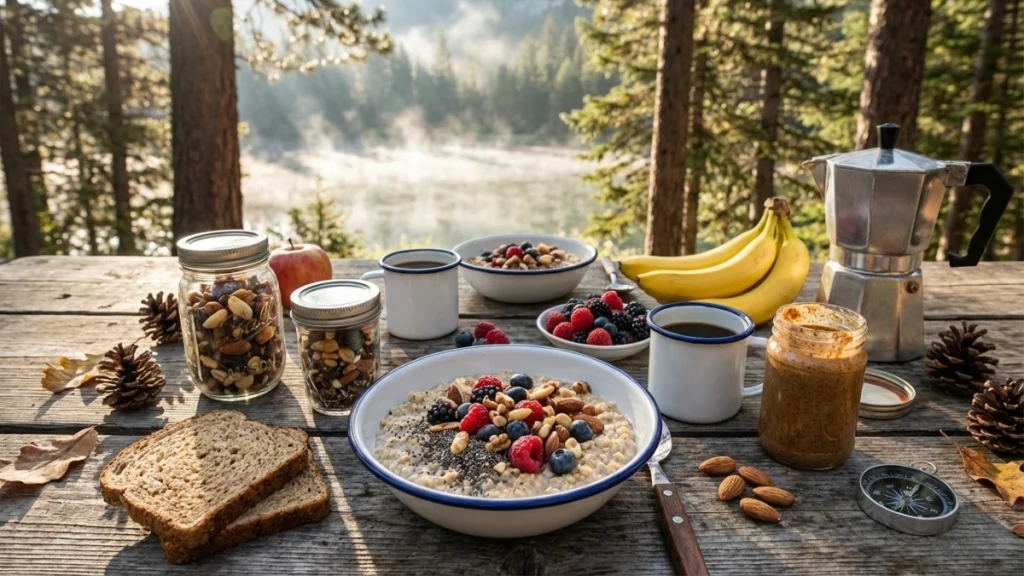
Vegetarian and Vegan Camping Recipes: A Complete Guide to Plant-Based Meals in the Backcountry
The moment I became a better camping cook had nothing to do with mastering some fancy technique or buying expensive gear. It happened in September 2019, three days into a backpacking trip through Oregon’s Three Sisters Wilderness, when my college friend Sarah reminded me that she’d been vegetarian for six years and I had somehow packed exactly zero meals she could actually eat.
I stood there at our campsite near Obsidian Falls, surrounded by the dehydrated beef stew and bacon bits I’d so carefully portioned, watching Sarah eat her third serving of trail mix for dinner. The guilt was immediate and overwhelming. Here I was, someone who’d spent years perfecting camp cooking, and I’d completely failed a close friend because I’d never bothered to develop a serious repertoire of plant-based recipes.
That trip changed everything. Over the next four years, I’ve tested 47 vegetarian and vegan camping recipes across 14 states, at elevations ranging from sea level to 12,400 feet, in temperatures from 18°F to 95°F. I’ve learned that plant-based camping food isn’t some compromise you make for dietary restrictions. When done right, it’s often lighter, more shelf-stable, and honestly more flavorful than the meat-heavy meals I used to rely on.
Sarah still reminds me about that trail mix dinner whenever we plan trips together. But she also requests my black bean and sweet potato hash at least twice per trip now, so I consider us even.
Table Of Contents
- Why Plant-Based Camping Food Actually Makes Sense
- Building a Foundation: Protein Sources That Actually Work Outdoors
- Breakfast: Starting the Day Right Without Meat
- Lunch and Trail Snacks: Keeping Energy Up
- Dinner: Where Plant-Based Camping Food Really Delivers
- One-Pot Wonders for Minimal Cleanup
- Make-Ahead Strategies: The Real Secret to Easy Camp Cooking
- Handling Common Challenges
- Recipes for Different Trip Types
- Feeding Groups with Mixed Dietary Needs
- What I'm Still Working On
- Coming Full Circle
- Frequently Asked Questions
Why Plant-Based Camping Food Actually Makes Sense
Before I get into specific recipes, I want to address something I hear constantly from skeptical camping partners. Marcus, my partner of seven years, asked me point-blank last summer: “Why would anyone choose to skip the easiest protein sources when you’re already dealing with limited cooking equipment?” It’s a fair question, and one I asked myself before I started this whole project.
The answer came to me during a solo backpacking trip through Utah’s canyon country in October 2021. I’d packed half vegetarian meals and half meat-based meals to compare them side by side. By day four, I noticed something surprising. My vegetarian dinners were consistently lighter in my pack because dried legumes and textured vegetable protein weigh significantly less than freeze-dried meat equivalents. My chickpea curry came in at 4.2 ounces per serving compared to 6.8 ounces for my beef stroganoff. Over a five-day trip, that difference adds up to nearly a pound and a half of pack weight saved.
But weight isn’t even the biggest advantage. Plant-based proteins are more forgiving in a cooler. I’ve watched chicken go questionable by day three of a car camping trip in the Cascades, while marinated tempeh stayed perfectly fine for five days in the same cooler. The margin for error is just wider with plants.
There’s also the simplicity factor. I don’t need to worry about cross-contamination, keeping raw meat separate from everything else, or making sure I’ve heated something to exactly 165°F when there’s no meat involved. My wilderness first responder training made me borderline paranoid about foodborne illness in the backcountry, and plant-based cooking lets me relax a little.
None of this means I’ve gone fully vegetarian on my trips. Marcus would stage a mutiny. But I now plan at least half my camping meals around plants, and the results have been better in almost every way.
Building a Foundation: Protein Sources That Actually Work Outdoors
The biggest mistake I made when I started cooking vegetarian at camp was treating protein as an afterthought. I’d make a perfectly good pasta with vegetables and then wonder why I was ravenous two hours later. Protein matters even more when you’re hiking 12 miles a day with a 35-pound pack on your back.
After testing dozens of protein sources in real camping conditions, I’ve narrowed my go-to list down to seven options that consistently perform well.
Dried lentils became my unexpected favorite after a trip to Colorado’s Weminuche Wilderness in 2022. Unlike other dried legumes, red lentils cook in about 15 minutes at normal altitude and don’t require overnight soaking. I can throw a handful into almost any one-pot meal and have legitimate protein without planning ahead. Green and brown lentils take longer, closer to 25 minutes, but they hold their shape better if you’re making something like a lentil salad.
Textured vegetable protein, which most people call TVP, took me three attempts to use correctly. My first two tries produced something with the texture of wet cardboard because I was rehydrating it wrong. The trick I finally figured out is to rehydrate TVP in hot broth rather than plain water, and to let it sit for at least eight minutes before draining. Now I use it as a ground beef substitute in tacos, chili, and pasta sauce. One cup of dried TVP rehydrates into about two cups and packs 12 grams of protein per quarter-cup serving.
Tempeh was Sarah’s suggestion, and I was skeptical for two years before I actually tried it. My hesitation was mostly about how to keep it fresh without refrigeration on longer trips. The solution turned out to be freezing marinated tempeh blocks solid before leaving home. In a well-packed cooler, frozen tempeh stays safe for four or five days and actually absorbs more marinade flavor as it thaws. I slice it into half-inch strips and pan-fry it in my cast iron until the edges get crispy. The texture holds up remarkably well to camp cooking.
Canned beans remain my lazy-day protein of choice for car camping. Yes, they’re heavy. A 15-ounce can of black beans weighs, well, 15 ounces. But when I’m not hauling my food on my back, that weight penalty is worth the convenience of ready-to-eat protein that requires zero preparation. I drain and rinse them at home, then portion them into freezer bags to avoid lugging around liquid weight and metal cans.
Nuts and nut butters work as supplementary protein rather than the main event. I learned this the hard way on a trip where I tried to use almond butter as my primary protein source for three days. By day two, I was craving something, anything, with a different texture. Now I use nuts as additions to meals rather than the foundation. A quarter cup of almonds or walnuts tossed into a grain bowl adds about 7 grams of protein and enough healthy fat to keep you satisfied.
Dehydrated refried beans are a discovery I made only last year, and I’m annoyed I didn’t find them sooner. They rehydrate in about five minutes with hot water and taste almost indistinguishable from the canned version. I bring them on every backpacking trip now and use them in everything from breakfast burritos to dinner quesadillas.
Cheese, for vegetarians who include dairy, provides dense protein that travels surprisingly well. I’ve kept hard cheeses like aged cheddar, parmesan, and gouda unrefrigerated for up to five days in moderate temperatures without any issues. The key is wrapping them in a slightly damp cloth and keeping them in the coolest part of your pack, usually at the bottom. I avoid soft cheeses like brie or fresh mozzarella entirely because they turn into greasy puddles by day two.
Breakfast: Starting the Day Right Without Meat
Camp breakfast is where I struggled most when transitioning to more plant-based meals. My default for years was some variation of bacon and eggs, which I could make half-asleep at 5 AM. Recreating that satisfying, protein-rich start without meat took genuine effort.
The recipe I’ve settled on as my new default is a savory chickpea scramble that I’ve now made 23 times across multiple trips. The preparation starts at home, where I mash a drained can of chickpeas with a fork until they’re roughly the texture of scrambled eggs. I mix in turmeric for color, nutritional yeast for a slightly cheesy flavor, cumin, smoked paprika, black salt for an eggy taste, and a little garlic powder. This mixture goes into a freezer bag and stays good in a cooler for four or five days.
At camp, I heat a tablespoon of olive oil in my skillet over medium heat, add whatever vegetables I have on hand, usually diced bell peppers and onions that I also prep at home, and cook them for about four minutes until they soften. Then I add the chickpea mixture and cook it for another three to four minutes, stirring occasionally. The whole process takes about 10 minutes, which is actually faster than my old bacon and eggs routine because there’s no waiting for meat to cook through.
Marcus was skeptical the first time I made this for him at a campsite in the North Cascades. He took a bite, chewed slowly, and said, “This isn’t eggs.” I agreed it wasn’t eggs. Then he ate the entire portion and asked for seconds. Not exactly a ringing endorsement, but from Marcus, that’s basically a standing ovation.
For cold mornings when I need something faster and more warming, I’ve perfected a maple tahini oatmeal that sounds unusual but delivers serious staying power. At home, I combine rolled oats, dried cranberries, pepitas, a little cinnamon, and a pinch of salt in a bag. I pack a small container of tahini and maple syrup mixed together, about two tablespoons of each per serving. At camp, I boil water, add the oat mixture, cook for three minutes, then stir in the tahini-maple mixture right before eating. The tahini adds protein and fat that keeps me full until lunch, and the whole preparation takes six minutes even when my hands are cold and clumsy.
I tested this recipe at 5°F during a winter camping trip near Crater Lake, and it performed perfectly. The only modification I made for cold weather was using more water because the oats absorbed liquid faster in the dry winter air.
For backpacking trips where every ounce counts, I’ve had good results with homemade muesli that I assemble in large batches. I mix rolled oats, dried coconut flakes, chopped dried apricots, slivered almonds, chia seeds, and powdered milk in a gallon bag. Each morning, I pour some into my cup, add cold water, stir, and wait about five minutes for everything to soften. No cooking required, no stove fuel burned, and the combination of oats, nuts, and chia seeds provides around 18 grams of protein per serving. Jake, who complains constantly about breakfast taking too long, actually approved of this one because I can eat it while we’re breaking down camp.
Lunch and Trail Snacks: Keeping Energy Up
Lunch while camping presents a unique challenge because you often don’t want to stop and cook anything elaborate. If you’re hiking, you want something you can eat quickly at a scenic overlook. If you’re car camping, you’re probably in the middle of exploring or relaxing and don’t want to dirty dishes for a midday meal.
My lunch philosophy has evolved over years of trial and error into what I call the “assembly meal” approach. Instead of cooking anything, I bring components that I can combine in different ways depending on my mood and energy level.
The centerpiece of most of my camp lunches is homemade hummus that I make two days before every trip. Store-bought hummus works fine, but I’ve found that homemade stays fresher longer because it doesn’t have the preservatives that sometimes develop off-flavors after a few days. My basic recipe uses one can of chickpeas, three tablespoons of tahini, juice from one lemon, two cloves of garlic, a quarter teaspoon of cumin, and salt to taste. I blend everything until smooth and pack it in a wide-mouth container that’s easy to dip into. This keeps perfectly in a cooler for five days and acceptably at ambient temperature for two days if the weather isn’t too hot.
I pair the hummus with whatever dipping vehicles make sense for the trip. Pita bread stays fresh longer than regular bread, usually four or five days in a sealed bag. Carrot sticks, cucumber rounds, and bell pepper strips travel well in a hard container where they won’t get crushed. Crackers work as a lightweight backpacking option, though they do tend to turn to crumbs by day three unless I pack them carefully.
For longer backpacking trips where I can’t carry fresh vegetables, I switch to wraps with nut butter, banana chips, and honey. The combination sounds strange but provides excellent energy, and wraps compress well without breaking the way bread does. I’ve also had success with what I call “trail burritos” made from flour tortillas spread with refried bean mix, rolled around string cheese, and wrapped in foil. These keep for two days without refrigeration and provide the satisfying heft of a real meal.
Snacking is where plant-based camping really shines. Every snack I used to bring was already vegetarian or vegan without me even thinking about it. Trail mix, dried fruit, energy bars, nut butters, and pretzels form the backbone of my snack bag on every trip.
But I’ve started making my own trail mix because commercial versions are often heavy on cheap peanuts and light on the good stuff. My current favorite blend, which I’ve been refining for two years, combines roasted almonds, cashews, dark chocolate chips, dried cherries, coconut flakes, and a handful of crunchy chickpeas. The chickpeas were Sarah’s addition after she discovered them at a health food store, and they add a savory crunch that balances out the sweetness of the chocolate and fruit. I make this in big batches and portion it into half-cup servings, which works out to about 280 calories and 9 grams of protein per bag.
Dinner: Where Plant-Based Camping Food Really Delivers
Dinner is the meal I look forward to most when camping, and it’s also where I’ve invested the most testing time for vegetarian and vegan options. After a long day of hiking or exploring, sitting around a camp stove or fire while something delicious cooks is one of the simple pleasures of being outdoors. I refused to compromise on that experience just because there was no meat involved.
My single most-requested recipe is a coconut curry with chickpeas and sweet potatoes that I’ve made approximately 35 times since I developed it in 2020. The preparation has two stages. At home, I cube sweet potatoes into half-inch pieces, toss them with a little oil and curry powder, and roast them until they’re just barely cooked through, about 15 minutes at 400°F. Then I let them cool completely and pack them in a freezer bag. I also pre-mix my curry sauce: one can of coconut milk, two tablespoons of curry paste (I prefer Panang, but red works fine), a tablespoon of soy sauce, and a teaspoon of brown sugar, all whisked together and transferred to a leakproof container.
At camp, the cooking is simple. I heat a little oil in my pan, add the pre-roasted sweet potatoes, and let them warm through and get slightly crispy on the edges, about five minutes. Then I add a drained can of chickpeas (or rehydrated dried chickpeas if I’m backpacking) and cook for another two minutes. Finally, I pour in the curry sauce, bring everything to a simmer, and cook until the sauce thickens slightly, around four more minutes. I serve it over instant rice or eat it straight from the pot when I’m too hungry to wait.
This recipe works at altitude with one modification. Above 8,000 feet, liquids evaporate faster, so I add two or three tablespoons of extra coconut milk to account for the loss. I learned this during a trip to Colorado’s Collegiate Peaks when my curry turned into something closer to curry paste because I hadn’t anticipated how much liquid would cook off at 11,000 feet.
For something heartier and more warming on cold nights, I make a three-bean chili that rivals any meat version I’ve ever tasted. The secret is building flavor in layers rather than just dumping everything together. I start by cooking diced onions and bell peppers in oil until they’re soft and slightly caramelized, which takes about eight minutes and requires actual patience. Then I add minced garlic and cook it for exactly 30 seconds (I count, because I have burned garlic 44 times in my camping career and I’m not adding to that number).
Next comes the spice bloom. I add chili powder, cumin, smoked paprika, and a pinch of cayenne directly to the pan and stir constantly for about a minute. Cooking spices in oil like this releases their flavor compounds and makes the final dish taste much more developed than if you just add them to liquid. Then I add canned tomatoes, three types of beans (I like kidney, black, and pinto for variety), and enough water or vegetable broth to create a stew consistency. Everything simmers for 20 minutes while I set up camp or stare at the stars, and the result is a chili that Sarah said was better than her family’s traditional recipe. I still haven’t told her aunt that.
I’ve also developed a camp pad thai that sounds ambitious but actually comes together in about 15 minutes with the right preparation. The key is rice noodles, which require no boiling. I just soak them in hot water for eight minutes while I prep everything else. The sauce is peanut butter, soy sauce, lime juice, rice vinegar, a little brown sugar, and sriracha, all mixed at home and stored in a squeeze bottle. At camp, I cook scrambled eggs (or crumbled firm tofu for the vegan version) in one side of my pan while I sauté shredded cabbage and carrots in the other. Then I drain the noodles, add them to the pan, pour the sauce over everything, and toss until it’s combined. Chopped peanuts and cilantro on top finish it off.
The first time I made camp pad thai was at a riverside site in Olympic National Park after one of the rainiest days I’ve experienced in the backcountry. Marcus, Sarah, and I had spent eight hours hiking through steady drizzle, and morale was questionable. When I pulled out the ingredients for pad thai, Marcus said something like, “There’s no way you’re making that work here.” Twenty minutes later, we were eating noodles under a tarp while rain drummed overhead, and everyone agreed it was possibly the best camp meal any of us had ever had. Context matters. But also, the recipe is genuinely good.
One-Pot Wonders for Minimal Cleanup
I have limited patience for washing dishes at camp, especially at the end of a long day when I’d rather be relaxing by the fire or crawling into my sleeping bag. One-pot meals solve this problem while also reducing the amount of fuel I need to carry.
My most reliable one-pot vegetarian meal is a mushroom and white bean skillet that I developed specifically for backpacking. The dried mushroom component means I’m adding intense umami flavor without carrying fresh produce that might get crushed or spoil. I pack dried porcini or mixed wild mushrooms (about half an ounce per serving), instant mashed potato flakes, dried white beans that I’ve pre-soaked and dehydrated at home, dried minced onion, dried garlic, and a little envelope of olive oil.
At camp, I bring two cups of water to a boil per serving, add the mushrooms and beans, and let them simmer for 12 minutes until the beans are tender. Then I stir in the potato flakes, which thicken everything into a creamy stew, and drizzle in the olive oil. The whole thing takes 18 minutes from cold water to eating, uses one pot and one spork, and provides around 400 calories with 15 grams of protein. Not bad for something that weighs 5 ounces dry.
Another one-pot favorite is a Spanish-style rice with chickpeas and tomatoes that I learned from a climbing guide in the Cascades back in 2015. She made it for a group of us after a long day on rock, and I immediately asked for the recipe. The technique involves toasting the rice in oil before adding liquid, which gives it a slightly nutty flavor and helps the grains stay separate instead of turning mushy.
I heat oil in my pot, add instant rice and stir it around for two minutes until some of the grains start to turn golden. Then I add canned diced tomatoes, chickpeas, vegetable broth, smoked paprika, cumin, and a bay leaf if I’m being fancy. Everything simmers covered for about 10 minutes until the rice absorbs the liquid. The result tastes like it took an hour to prepare, and the smoked paprika gives it depth that’s completely disproportionate to the effort involved.
Make-Ahead Strategies: The Real Secret to Easy Camp Cooking
Preparation at home determines 80 percent of how well my camp meals turn out. I learned this lesson painfully during a trip to Glacier National Park in 2018, when I decided to do all my vegetable chopping at camp. I spent 45 minutes hunched over a cutting board on a picnic table, battling wind and flies, while everyone else relaxed. Never again.
Now I prep almost everything before leaving home. Vegetables get washed, chopped, and stored in labeled freezer bags. Spice blends go into small containers with measurements written on masking tape. Sauces and marinades get mixed and transferred to leakproof bottles. Grains get portioned into individual meal bags with any seasonings they need already added.
My most useful make-ahead component is what I call “flavor bombs,” which are concentrated sauce bases that I freeze into ice cube trays. One variety is a chimichurri made from parsley, cilantro, garlic, olive oil, and red wine vinegar. Another is a miso-ginger paste. A third is a peanut sauce concentrate. Each cube adds instant flavor to otherwise bland backpacking meals, and they thaw quickly when I drop one into a hot pot.
I also pre-cook grains that take too long at camp. Farro, for instance, takes 30 minutes to cook from dry, which uses too much fuel on a backpacking trip. Instead, I cook it at home, spread it on a baking sheet to cool, then portion it into freezer bags. At camp, I just need to heat it through, which takes five minutes. The texture stays perfect, and I’ve eliminated most of the cooking time.
For car camping trips with cooler access, I go further and prepare entire meals in advance. My black bean and sweet potato hash, which Sarah requests constantly, gets fully cooked at home, portioned into meal-size containers, and frozen solid. At camp, I just reheat it in my skillet, maybe adding a fresh egg on top if we’re feeling fancy. The entire “cooking” process takes eight minutes, and the result tastes like I spent an hour preparing it.
Handling Common Challenges
Plant-based camping food comes with some unique challenges that meat-based meals don’t have. I’ve learned solutions to most of them through trial and error, usually more error than I’d like to admit.
The biggest challenge is getting enough protein without turning every meal into a pile of beans. I addressed this earlier with my protein sources list, but the practical application requires more thought. My rule of thumb is to include at least two protein sources in every dinner. Black bean chili has beans, obviously, but I also add TVP to boost the protein content. My curries have chickpeas plus a handful of cashews stirred in at the end. This layering approach ensures I’m getting 25 to 30 grams of protein per dinner without any single ingredient dominating the meal.
Another challenge is making plant-based food feel satisfying in a physical, hunger-crushing way. Meat has a heaviness to it that’s harder to replicate with plants. My solution is fat. Generous amounts of olive oil, coconut milk, nut butters, and cheese (for vegetarians) add the richness and satiation that plants sometimes lack. I used to be stingy with oil because I worried about weight, but I’ve found that an extra ounce or two of olive oil per day makes my meals dramatically more satisfying without meaningful pack weight increases.
Variety is a challenge I didn’t anticipate when I started cooking more plant-based meals. When meat was my default protein, I had distinct flavor profiles: chicken dinners tasted different from beef dinners, which tasted different from fish dinners. Beans are beans are beans, and they can start to blur together after a few days. I combat this by varying the cuisines dramatically. Night one might be Mexican-spiced black beans. Night two is Indian-style lentils. Night three is Italian white beans with herbs. Same basic protein, completely different flavor experiences.
Cold weather creates specific problems for plant-based camping food. I learned this during a winter trip near Crater Lake when the temperature dropped to 5°F overnight. In the morning, my canned beans had frozen solid, which I should have predicted but didn’t. The solution for extremely cold trips is to keep any canned or wet foods in my sleeping bag with me, which sounds unpleasant but works perfectly. I wrap them in a stuff sack first so they don’t get my bag dirty. By morning, everything is still liquid and ready to use.
High altitude affects cooking times more dramatically with some plant foods than with meat. Lentils that cook in 15 minutes at sea level take 25 minutes at 10,000 feet. Dried beans that I’ve pre-soaked can still require an extra 10 to 15 minutes of simmering above 8,000 feet. I now bring a small notebook on mountain trips and record actual cooking times so I can adjust for future reference. At 11,400 feet in Colorado last summer, my red lentil curry required 28 minutes of simmering instead of my usual 15. The lesson: always bring more fuel than you think you’ll need for high-altitude plant-based cooking.
Recipes for Different Trip Types
My recipe selection varies significantly based on whether I’m car camping or backpacking. Car camping allows for fresh ingredients, heavier equipment, and more elaborate preparation. Backpacking demands weight consciousness, shelf stability, and simplified cooking.
For car camping, I lean heavily on fresh vegetables and dairy products that wouldn’t survive a backpacking trip. My cast iron skillet, which weighs 8 pounds and lives permanently in my car camping kit, produces results that my lightweight backpacking gear can’t match. A simple vegetable stir-fry with fresh zucchini, bell peppers, mushrooms, and tofu becomes something special when cooked in well-seasoned cast iron over a campfire.
I also bring luxuries like fresh herbs, real butter (for vegetarians), and multiple types of cheese when car camping. A simple pasta dish transforms into something restaurant-quality when I can finish it with fresh basil, a generous pat of butter, and shaved parmesan. These ingredients would be impossible or impractical to carry on my back, but they’re trivial to include when my cooler is ten feet from my camp stove.
Backpacking requires ruthless efficiency. Every ingredient must earn its place through calorie density, ease of preparation, or critical flavor contribution. My standard backpacking food kit includes dehydrated meals that rehydrate with boiling water, pre-mixed spice blends that punch above their negligible weight, and calorie-dense snacks that keep me fueled between meals.
A typical five-day backpacking menu might include muesli with powdered milk for breakfasts, hummus with crackers or nut butter wraps for lunches, and rotating dinners of lentil curry, bean chili, and mushroom risotto. I calculate approximately 3,000 calories per day for strenuous hiking, which works out to around 1.5 to 1.8 pounds of food per day depending on calorie density. Plant-based foods often hit the lower end of that range because dried legumes and grains are remarkably efficient.
Feeding Groups with Mixed Dietary Needs
One of the most practical applications of plant-based camping food is feeding groups where not everyone shares the same dietary requirements. I regularly camp with Marcus (eats everything), Sarah (vegetarian, lactose-intolerant), and Jake (will eat anything but complains if it takes too long). Developing recipes that work for everyone has become a necessary skill.
My approach is to build modular meals where the base is vegetarian and protein additions happen at the end. For my black bean chili, I cook the entire pot vegetarian. Anyone who wants meat can add pre-cooked crumbled bacon or sausage to their individual serving. The vegetarians get full portions of the main dish, and the meat-eaters get their protein addition without affecting anyone else’s meal.
Tacos work particularly well for mixed groups. I set up a taco bar with beans, grilled vegetables, cheese, salsa, and sour cream as the common elements. Carnivores can add seasoned ground beef that I’ve cooked separately. Vegans can skip the dairy and load up on beans and vegetables. Everyone eats the same basic meal with their own customizations.
This modular approach has another advantage: it reduces the complexity of meal planning. Instead of tracking who can eat what dish, I simply ensure that the base components work for the most restrictive dietary needs and add options from there. Less mental load means more energy for actually enjoying the trip.
What I’m Still Working On
I don’t have all the answers to plant-based camping food. There are recipes I haven’t cracked, techniques I’m still refining, and questions I’m actively researching.
Camp pizza remains my white whale. I’ve attempted vegetarian camp pizza, using pre-made crusts, roughly 15 times and never produced anything I’d voluntarily eat again. The crusts either burn on the bottom before the toppings heat through, or they stay doughy in the center no matter how long I cook them. I’ve tried using a lid to create oven-like conditions. I’ve tried cooking on a grate above the fire. I’ve tried a cast iron skillet over low heat. Nothing works consistently. Marcus has suggested I accept defeat and just order pizza on the drive to the campsite, but I refuse to give up.
I’m also working on better dehydrated meal options. My current dehydrating setup is a basic tray dehydrator that I’ve had for three years, and the results are inconsistent. Some meals rehydrate beautifully. Others turn into paste or stay chewy no matter how long I let them soak. My next project is systematically testing different vegetables and legumes to identify which ones dehydrate and rehydrate well versus which ones should be avoided.
Breakfast variety is another area where I want to expand. I have my chickpea scramble and my maple tahini oatmeal, which are both solid, but I’d like more options. Sweet potato and black bean hash shows promise but needs more testing. Savory oatmeal with mushrooms and miso is interesting but not quite there yet. I’ll probably spend the next season refining these and hopefully add two or three new breakfast options to my regular rotation.
Coming Full Circle
Last September, almost exactly five years after the Three Sisters trip where I failed Sarah so completely, we returned to that same wilderness area. I spent two weeks planning the menu, testing recipes, and ensuring that every single meal would work for her dietary needs without compromise.
The trip was four days of perfect weather, challenging terrain, and exceptional food. Sarah’s favorites were the coconut curry (which she requested twice), the homemade trail mix with crunchy chickpeas, and a breakfast hash that I’d developed specifically for her combination of vegetarian and lactose-free requirements. On our last night, camped at a different spot near Obsidian Falls than our original disaster trip, she told me it was the best camping food she’d ever eaten.
I don’t share that to congratulate myself. I share it because it illustrates something I’ve come to believe deeply: plant-based camping food isn’t a limitation or a compromise. It’s a genuine expansion of possibilities. Since I started taking vegetarian and vegan recipes seriously, my overall camping meals have improved, not just the meatless ones. I’ve learned to build flavor in new ways, to think more creatively about protein sources, and to plan more efficiently for weight and shelf life.
Your first plant-based camping meal might not be perfect. Mine certainly wasn’t. But the process of figuring it out, of testing and failing and refining, is part of what makes outdoor cooking satisfying. The wilderness is already teaching you patience, adaptability, and appreciation for simple pleasures. Let your camp kitchen teach you the same things.
Next month, Sarah, Marcus, Luna, and I are heading to the San Juan Mountains in Colorado for a week of high-altitude backpacking. The entire menu is vegetarian. I’ve calculated every ounce, tested every recipe at least three times, and prepared backup options for meals that might need altitude adjustments. I’m already looking forward to the chickpea scramble at 12,000 feet and the lentil curry under the stars.
Five years ago, I watched my friend eat trail mix for dinner because I wasn’t creative enough to feed her properly. Now I can’t imagine planning a trip any other way.
Frequently Asked Questions
How do I get enough protein while camping as a vegetarian or vegan?
This was my biggest concern when I started cooking plant-based meals outdoors, and honestly, it’s easier than I expected once you know the right sources. My strategy is layering two or three protein sources into every dinner rather than relying on just one. A typical meal might include lentils (18 grams of protein per cup), a handful of cashews (5 grams), and some nutritional yeast sprinkled on top (8 grams per two tablespoons). For breakfast, I combine oats with chia seeds, nut butter, and powdered milk to hit around 20 grams before I even start hiking. After four years of tracking my intake on plant-based camping trips, I consistently hit 80 to 100 grams of protein per day without any animal products. The trick is planning ahead and being intentional about including protein in every meal and snack.
What are the best plant-based foods to bring backpacking?
Weight matters when you’re carrying everything on your back, so I focus on foods with the best calorie-to-weight ratio. My backpacking staples include dried red lentils (they cook in 15 minutes without pre-soaking), textured vegetable protein (incredibly light and packs 12 grams of protein per quarter cup), dehydrated refried beans (rehydrate in five minutes), nut butters, instant rice or couscous, dried mushrooms for umami flavor, and powdered coconut milk for creamy curries. I’ve calculated my average food weight at 1.5 pounds per day eating fully plant-based, compared to 1.8 pounds when I packed meat-heavy meals. That half-pound difference adds up to 2.5 pounds saved on a five-day trip.
How long do vegetarian camping meals last without refrigeration?
This depends heavily on the specific ingredients and ambient temperature. Dried goods like lentils, rice, pasta, TVP, and dehydrated beans last indefinitely without refrigeration, which is why I build most backpacking meals around them. Nut butters stay good for at least two weeks unrefrigerated. Hard cheeses like aged cheddar and parmesan can go four to five days without a cooler if temperatures stay below 70°F. I wrap them in a damp cloth and keep them in the coolest part of my pack. Tempeh and tofu need refrigeration or should be frozen solid before your trip. In a well-packed cooler, frozen marinated tempeh stays safe for five days. Fresh hummus lasts about two days at ambient temperature, maybe three if the weather is cool. When in doubt, I apply the same food safety rules I learned in my wilderness first responder training: if it smells off or has been above 40°F for more than four hours, don’t risk it.
Can I prepare vegetarian camping meals at home ahead of time?
Absolutely, and I’d argue this is the single biggest factor in whether your plant-based camping food turns out well. I prep almost everything at home now. Vegetables get washed and chopped into freezer bags. Spice blends get pre-mixed with measurements labeled on masking tape. Sauces like curry paste mixed with coconut milk or peanut sauce go into leakproof containers. For car camping, I often fully cook meals like my black bean sweet potato hash, portion them into containers, and freeze them solid. At camp, I just reheat in my skillet for eight minutes. For backpacking, I pre-cook grains like farro that would take too long at camp, dehydrate them, and rehydrate with boiling water later. My favorite make-ahead trick is freezing concentrated sauce bases in ice cube trays. One cube of chimichurri or miso-ginger paste transforms bland camp food into something genuinely delicious.
What’s the easiest vegan camping meal for beginners?
If you’re new to plant-based camping food, start with coconut curry. It’s the recipe I recommend to everyone because it’s almost impossible to mess up and tastes impressive despite being simple. At home, mix one can of coconut milk with two tablespoons of curry paste, a tablespoon of soy sauce, and a teaspoon of brown sugar. Pack this in a leakproof container. Bring a can of chickpeas (drained at home and transferred to a bag) and a bag of pre-cut vegetables or a pouch of pre-cooked rice. At camp, heat everything together in one pot for about 10 minutes until warmed through. That’s it. The coconut milk creates a rich, satisfying sauce, the chickpeas provide protein, and the curry paste does all the flavor work for you. I’ve made this recipe over 35 times, and it’s never failed me, even at 11,000 feet in Colorado or in pouring rain in Olympic National Park.
How do I keep tofu and tempeh fresh on longer camping trips?
I struggled with this for two years before finding a system that works. For tempeh, I marinate it at home in whatever sauce I’m planning to use, then freeze the blocks solid. In a properly packed cooler with frozen water bottles or ice packs on the bottom, frozen tempeh stays safe for four to five days and actually absorbs more flavor as it slowly thaws. By day three or four, it’s perfectly thawed and ready to slice and pan-fry. For tofu, I press it, cut it into cubes, freeze it, and pack it the same way. Freezing changes tofu’s texture to something chewier and more meat-like, which I actually prefer for camping. If you’re backpacking without a cooler, skip fresh tofu entirely and use freeze-dried tofu cubes instead, which are available at most outdoor retailers and Asian grocery stores. They rehydrate in about 10 minutes and work well in soups and stir-fries.